125 Years of the Württemberg Numismatic Society
There was a time when a large part of numismatic research was carried out and organised within societies. The most prominent collectors joined together to form national numismatic societies. These were not only important for exchanging coins and sharing information; they were also centres of scholarly work.
Journals such as the *Numismatic Chronicle*, the *Schweizerische Numismatische Rundschau* or the *Jahrbuch für Numismatik und Geldgeschichte* were not platforms for scholars to publish their work inexpensively, but rather the official publications of societies, in which numismatic articles found a place alongside reports on society life.
Although Germany had been a nation since 1871, its constituent states retained their cultural independence; consequently, there is not a single national numismatic society in Germany but rather many regional ones, some of which can look back on a history spanning more than a hundred years: the oldest of these is – as might be expected – based in Berlin (founded in 1843). In 1881, the Bavarian Numismatic Society was founded in Munich, followed a year later by the Numismatic Society in Nuremberg. The Württemberg Numismatic Society in Stuttgart, which is celebrating its 125th anniversary this year, was established in 1901; the Society of Coin Enthusiasts in Hamburg in 1904; the Frankfurt Numismatic Society in 1906; the Association of Coin Enthusiasts for Westphalia and Neighbouring Regions in 1913, and the Mainz-Wiesbaden Numismatic Society in 1921.
The Founding
So let us head to Stuttgart, where there was already a significant numismatic collection in the 19th century: the Royal Coin and Medal Collection. Its inspector – something like a director or head – was called Gustav Sixt and actually earned his living as a grammar school teacher. In his spare time, he devoted himself to numismatics and archaeology. Among other things, he represented his kingdom on the Imperial Limes Commission.
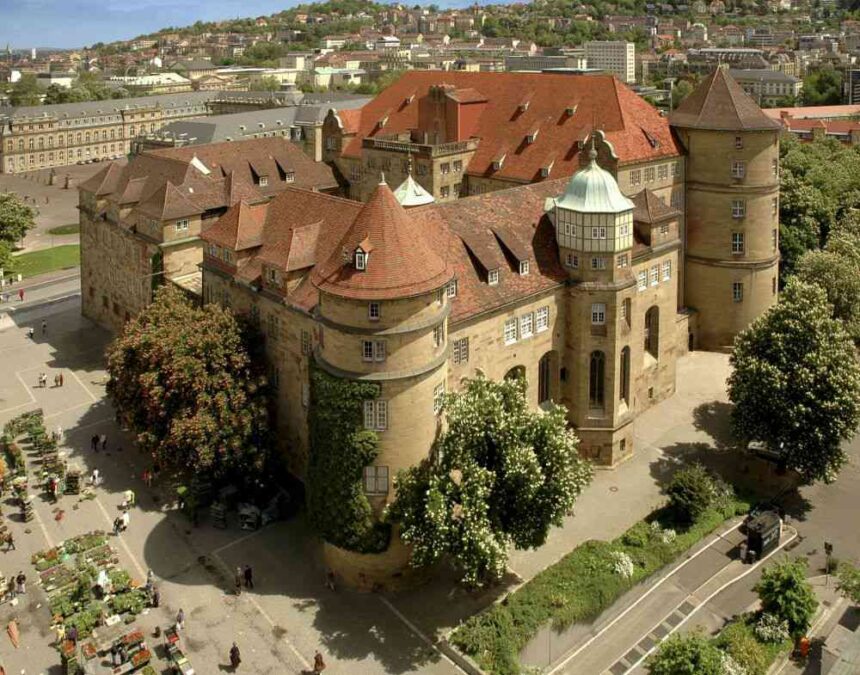
On 25 November 1901, Gustav Sixt invited four renowned coin collectors to the Hotel Silver to found a numismatic society with them. Incidentally, you can still visit the Hotel Silver today. It is situated near the Old Palace, which today serves as the meeting point for the Württemberg Coin Collectors’ Society. The Hotel Silber houses a memorial, not to mark the society’s founding, but to commemorate a cruel period in history. After the hotelier sold it to the State of Württemberg, the Gestapo established its Stuttgart headquarters here.
Gustav Sixt’s fellow collectors could never have imagined this in the year 1901, when they gathered at what was then a luxury hotel to found the Württemberg Numismatic Society. All five men present belonged to the upper echelons of society; after all, numismatics was the favourite pastime of the wealthy upper classes at that time.
They defined the purpose of the society in its constitution. The aim was to promote numismatics through lectures, demonstrations and publications.
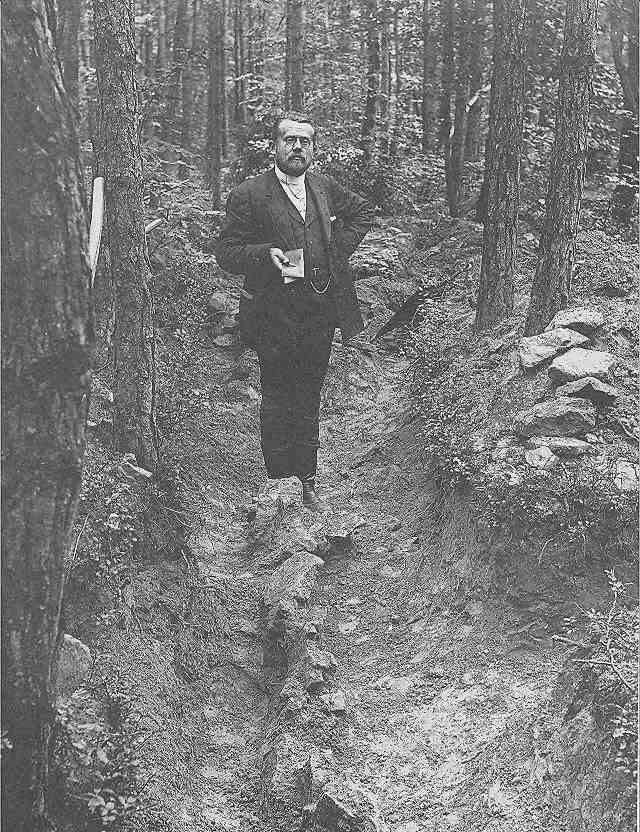
A good account of what a society evening – held once a month during the winter months – was like at that time can be found in the words of Goessler, who wrote a brief history of the society to mark its 25th anniversary: For the monthly winter meetings, he [August Deahna] arranged for speakers and often spoke himself, giving talks on new literary publications, presenting newly acquired material, and providing summaries. It was in the latter, in particular, that he excelled. I shall never forget how, in a series of lectures, he once recounted – with astonishing clarity and drawing on pieces from his collection – the complexities of Albertine and Ernestine genealogy, all from memory.
Duke Ulrich of Württemberg as Protector of the Society
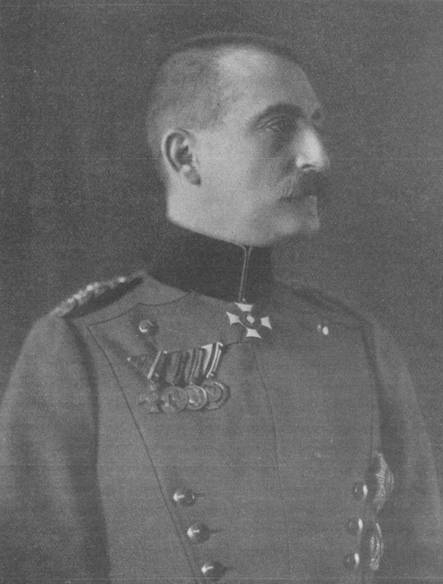
Right from the very first meeting of the fledgling society, on 16 December 1901, its Protector attended the session: Duke Ulrich of Württemberg was himself an enthusiastic coin collector and identified with the society’s aims. To avoid any confusion: Duke Ulrich was not the reigning prince of Württemberg; that was King Wilhelm II. Ulrich was the youngest son of Duke Philipp of Württemberg, the founder of the Catholic line of the House of Württemberg and, incidentally, the only line of the House that still exists in the male line today.
How did the Society promote numismatics?
So what did the members of the Württemberg Society for Numismatics do to promote their discipline? They supported numismatic research by granting authors access to their collections and publishing their books. They bought important numismatic works for the Stuttgart State Library, placed orders for medals from time to time, and played a decisive role in organising exhibitions. In short, numismatics in Württemberg at that time was primarily in the hands of the Society, not in those of state-funded curators.
The Württemberg Numismatic Society today
That has, of course, changed in the meantime, although the link between the Württemberg State Museum in Stuttgart and the Württemberg Numismatic Society has remained very, very close to this day. Both the magnificent Elisabeth Nau and the unique and unmistakable Ulrich Klein, both directors of the Stuttgart Numismatic Cabinet, served as chairmen of the Society for many years. Matthias Ohm, who also oversees the impressive Stuttgart Numismatic Cabinet, is continuing this fine tradition. The exhibition of the treasures in the Old Palace is definitely worth a visit!
One aspect of this society deserves special mention, for it is truly something special: here, collaboration between academics and collectors is a success. Few areas of early modern numismatics are better documented than the coinage and medal minting of Württemberg, thanks to the outstanding collaboration between the academic Ulrich Klein, the collector Albert Raff and the coin dealer Stefan Sonntag, whose publishing house brought out these substantial volumes. They meet all the requirements of a scholarly work, yet are also useful to those who are just beginning to collect Württemberg coins. The same applies to the catalogue of Lake Constance bracteates, also published by the collector Rainer Ulmer in collaboration with Ulrich Klein.
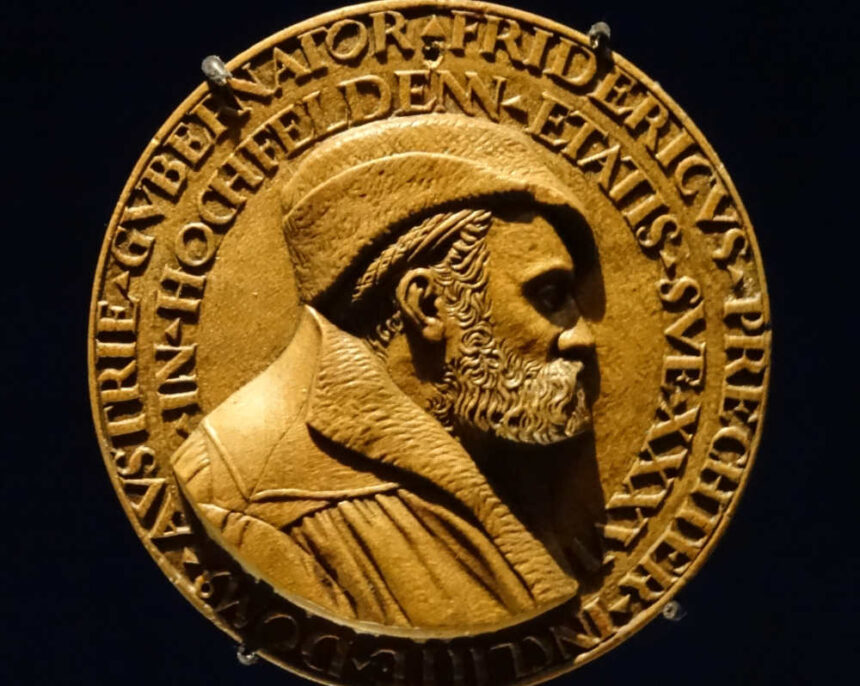
In this context, mention must also be made of Bernd Kaiser’s catalogues, which, across many, many volumes, document the medal production of the Stuttgart-based metalworks firm Wilhelm Mayer & Franz Wilhelm.
It is rare for the academic world to succeed in working so closely with collectors for the benefit of numismatics.
The 125th Anniversary Celebrations
To mark its 125th year, the Württemberg Numismatic Society is inviting the German Numismatic Society – which will celebrate its 75th year in 2026 – to Stuttgart. The 23rd German and the 59th South German Coin Collectors’ Meeting will take place from 25 to 27 September 2026. To mark the occasion, a conference on the large silver coins of the early 16th century will be held. Further information is available on the German Numismatic Society’s website (scroll down slightly).
Incidentally, as part of the celebrations, there will be a guided tour of the Kunstkammer at the Württemberg State Museum, themed ‘True Treasures’.
Incidentally, the Württemberg Numismatic Society regularly publishes a commemorative volume to mark its anniversaries. This will also be the case for its 125th anniversary. This time, it contains articles by Martin Heinz, Ulrich Klein, Matthias Ohm and Albert Raff. As always, all the articles are written by members of the Society!
Text and images: Ursula Kampmann