Allez Hop!
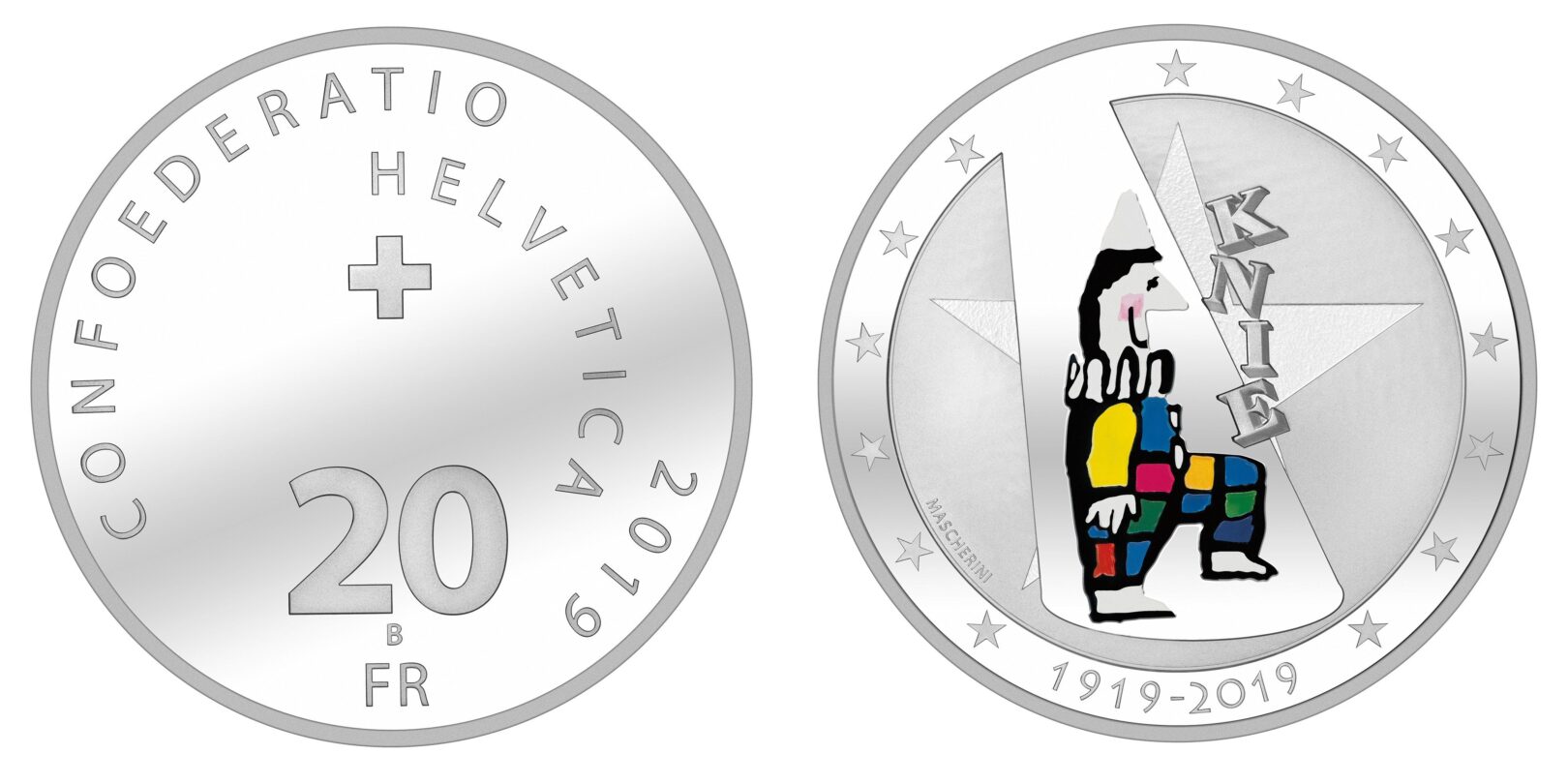
Modern coin minting has become a reflection of our constantly changing values. A good example of this is a commemorative coin from Swissmint. It is dedicated to the Knie Circus and demonstrates that the once-despised traveling performers are now perfectly suited to appear on a state coin.
The body as capital
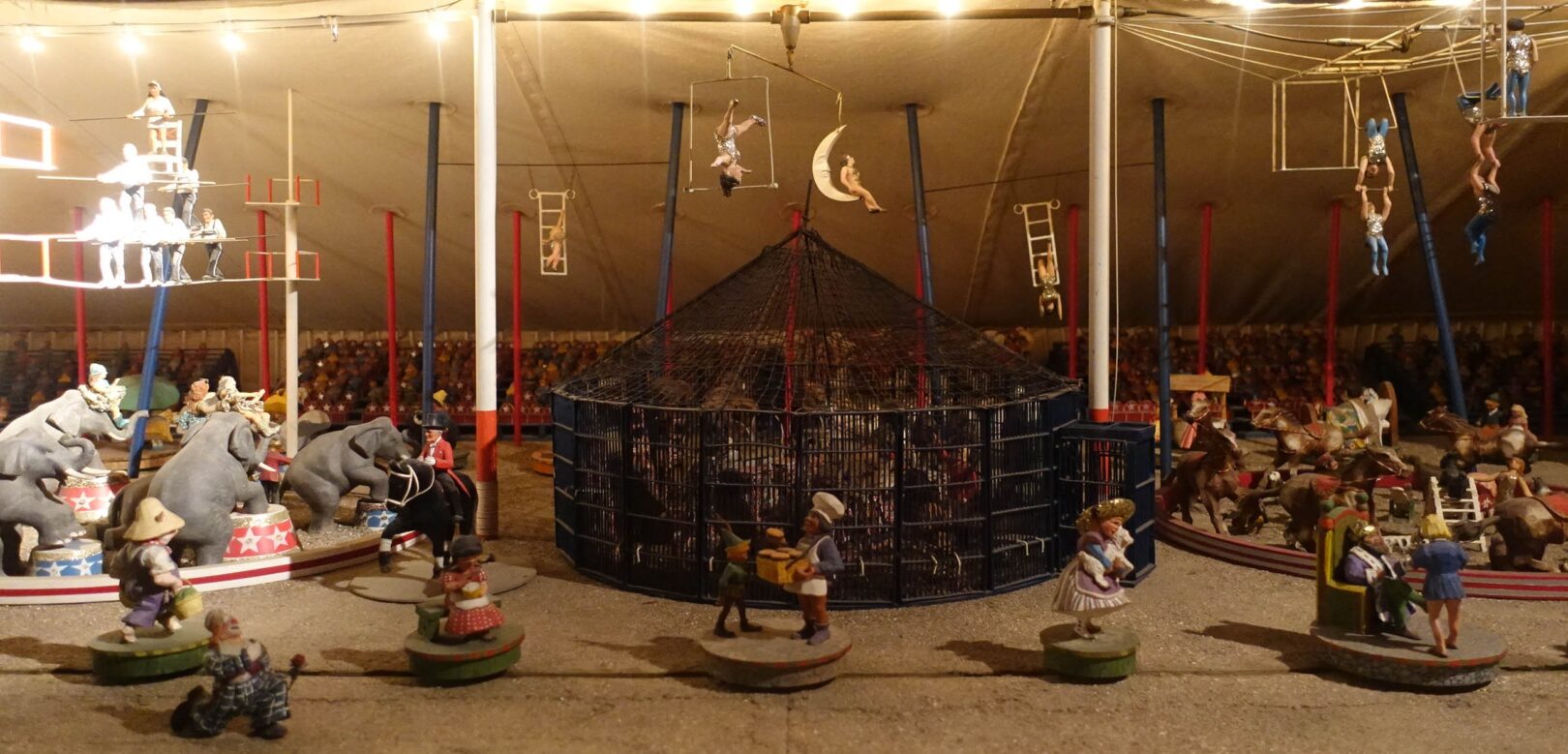
For centuries, acrobats differed from the bourgeois world in that they owed their careers exclusively to their own skills. Ancestry, possessions, and social affiliation played no role in their world as long as their performance in front of the audience was right. Thus, their bodies became capital, to which they owed their livelihood and sometimes even wealth and fame.
A famous example is Jules Léotard, a failed law student who became the inventor of the flying trapeze. He is said to have earned up to £5,000 a week. That was an astronomical sum at the time.
Charles Blondin, the high-wire artist who crossed Niagara Falls in 1859, even dined with the Prince of Wales until he was thrown into prison. In an accident at work, the broken rope killed two stagehands, for which the tightrope walker was held responsible.
Wealth and fame did not go hand in hand with social recognition. Friedrich Knie also had to accept this. The founder of the Swiss national circus of the same name was denied Swiss citizenship. It was not until a century later, around 1900, that his descendants were able to become naturalized.
Marginalized and stigmatized
As travelers, acrobats were constantly on the verge of imprisonment, as many states had laws against vagrancy. Anyone who traveled without being able to prove they were employed was considered a vagrant, and was therefore a criminal and at the mercy of the local law enforcement authorities. No place of residence, no right to vote, no grave in consecrated ground, the audience’s demand for dangerous thrills: being an artist in the 19th century was no walk in the park.
The changing perception of the 21st century
The way we view artists has changed dramatically over the last 50 years. It began with André Heller and his Circus Roncalli. Suddenly, acrobats were transformed into gifted magicians who brought smiles to the faces of people in the circus tent. Their rigorous training became the subject of numerous documentaries and reports. Their perception changed in a world where one’s own body and its training began to play a role in everyday life. Today, we applaud enthusiastically when the best circus acts worldwide compete under the eyes of the Monegasque ruling family at the festival in Monte Carlo.
A government coin in honor of a circus
In 2019, Swissmint dedicated a commemorative coin to the Swiss National Circus Knie. It was the first coin from a European country to take up this theme. For the first time, traveling performers were considered a symbol of the state, honored with a commemorative coin.
At the same time, this coin was the first Swiss commemorative coin to feature color printing. As expected, the mintage of 5,000 pieces was just enough to meet the demand from Swiss collectors.
But then, suddenly, requests started pouring in from artists all over the world who wanted to get their hands on the commemorative coin. Most of them had to turn to the secondary market and paid much more than the original issue price of CHF 60. Today, you have to invest between €350 and €550 to secure a copy of the coin, if you can get your hands on one at all.
Text by Ursula Kampmann