A Look Back at the ZukunftsForum bullion 2026
Investing in bullion, once a fairly unspectacular and manageable component of many investors’ portfolios, has turned into a real roller-coaster ride in recent years—with extreme price swings both up and down.
First a crash, then a boom: Extreme volatility during the conference
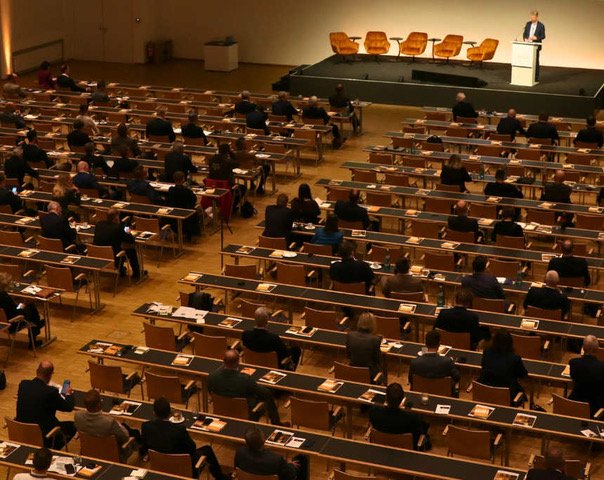
Participants at the second Precious Metals Future Forum, held on March 23 and 24 at Kap Europa in Frankfurt, also experienced this: After gold and silver opened the first day of the conference with losses of up to 8 percent, a murmur ran through the audience later that morning as stock markets and bullions suddenly skyrocketed. The reason: a possible easing of tensions in the Middle East conflict. This development, which moderator Jessica Schwarzer announced to the plenary shortly thereafter, was immediately assessed and commented on during the subsequent lectures.
ZukunftsForum bullion in Frankfurt took place for the first time in the year 2025 at the initiative of long-time bullion trader Wolfgang Wrzesniok-Roßbach. The former head of Degussa Goldhandel regularly contributes as a commentator on precious metal markets in the financial press and aims to use the conference to create a platform for exchange within the precious metals industry—and to further increase acceptance of tangible asset investments in Germany. The second edition of the conference saw a significant increase in attendance to over 300 participants, who received a specimen of the current special edition as part of a media partnership with MünzenWoche.
An inflationary environment driven by the six Ds
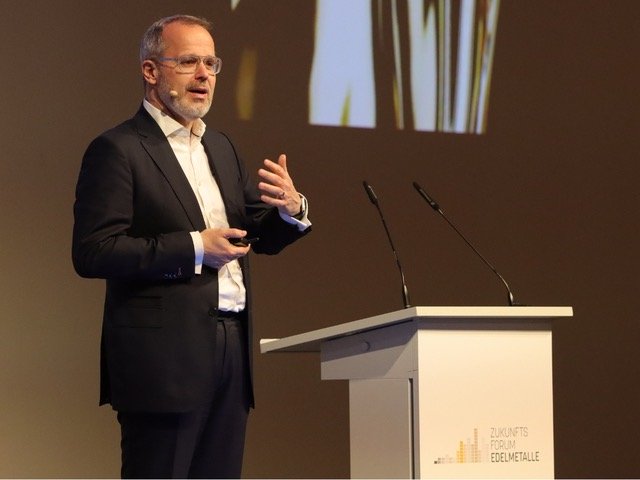
This year’s conference was dominated by a “perfect storm” of geopolitical tensions, particularly the conflict between the U.S. and Iran, as well as unpredictable U.S. tariff policies, which are increasingly positioning gold as a political weapon and strategic anchor. BayernLB Chief Economist Jürgen Michels emphasized in his keynote address that the global economy today is driven by the “6Ds”—demographics, deglobalization, digitalization, decarbonization, defense, and debt—which are creating a long-term inflationary environment. In this sandwich position between the U.S. and China, Europe must grow together like a “meatball” to withstand external pressure. He also predicted a loss of confidence in the U.S. dollar in the medium term should the U.S. Federal Reserve come under political pressure and lose its independence in setting interest rates.
Carsten Stroborn, Head of the Markets Division at the Deutsche Bundesbank, emphasizes the essential role of gold as a stable anchor for Germany’s currency reserves. In an environment marked by geopolitical tensions and inflation risks, these reserves primarily serve to hedge against economic shocks and to strengthen confidence in monetary stability. The Bundesbank is consistently maintaining its stock of a total of 3,350 tons, as gold functions as a stable asset with no counterparty risk and represents a “safe haven” in times of crisis. Stroborn emphasized the high level of trust in the reliability of international partners. He firmly rejected calls to use the gold reserves for debt repayment or investments, citing the Bundesbank’s long-term role in stability policy and its historical tradition.
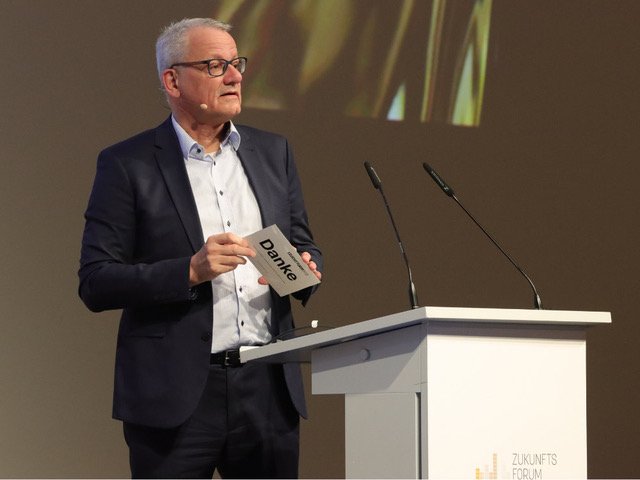
Value Logistics: The Industry Is Doing Its “Own Thing”
What is currently of particular concern to the precious metals trade (and also the coin trade, if it deals in gold and Silver to any significant extent) in the DACH region? During the panel discussion, industry representatives reported extreme volatility and a drastic shift in customer behavior. Dealers are experiencing a constant shift between periods of absolute stagnation and massive surges in demand. During the price fluctuations in the winter of 2025/2026, customer numbers tripled in partial cases, with buying interest significantly outweighing willingness to sell despite record prices.
A significant trend is the withdrawal of traditional banks from the physical gold business. As internal expertise in coins and ingots dwindles at many institutions, banks now prefer full-service solutions provided by specialized partners rather than managing risks and logistics themselves.
This is leading to increasing professionalization in the trade: Only highly specialized dealers can meet the rising demands for IT security, compliance, and storage capacity, while smaller “hobbyists” are increasingly disappearing from the market.
The biggest operational bottleneck remains value logistics, particularly delivery to private customers. Rising costs for transportation and insurance, as well as declining reliability among parcel service providers, are forcing the trade to rethink its approach and expand its own branch networks.
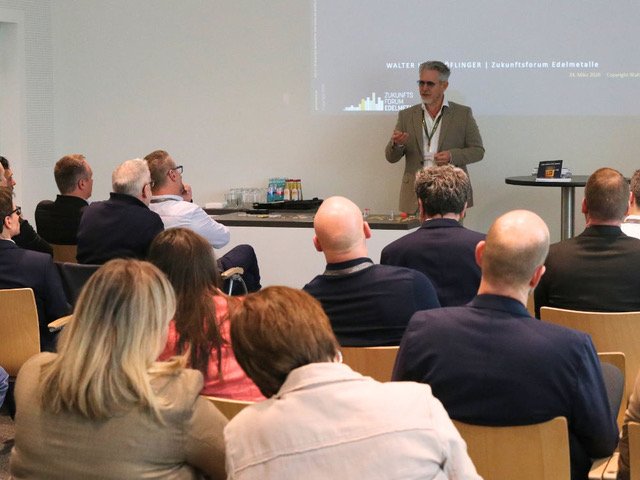
Europe-wide cash limit: Preparations are already underway
June 2027 is a key date for the industry, as new European regulations on anonymity limits for over-the-counter transactions are expected to take effect then, which is already leading to strategic preparations and inventory buildup.
In the future panels, tokenization emerged as a key future technology for market liquidity. By creating a “digital twin” of a physical ingot on the blockchain, ownership can be transferred worldwide in seconds, while the metal remains securely in the vault and does not need to be moved from A to B via complex and expensive value logistics.
At the same time, urban mining is gaining massive significance, as recycling forms the industry’s “ecological DNA” and reduces the carbon footprint by up to 99% compared to primary extraction. Disused photovoltaic modules, in particular, are becoming the “world’s largest silver mine,” with recycling volumes set to increase twentyfold over the next ten years.
Forest investment was presented as another stable tangible asset: The forest functions as a “silent factory” with a natural growth rate of about 5% per year and, like gold, offers timeless protection against inflation across generations.
The ZukunftsForum will enter its next phase in the second quarter of 2027 with new ideas.
Learn more about the ZukunftsForum here:
Text by Ursula Kampmann