Boston Is Getting a Museum of American Finance
The Museum of American Finance, part of the Smithsonian Institution, opened its new museum on July 3, 2026. It focuses on finance and showcases some of the rarest historical banknotes. Here’s a glimpse of what you can expect to see at this museum.
Numismatics has a tremendous advantage: it is an integral part of a subject that dominates our society—the financial sector. Whenever the history of our financial system is recounted to help people gain a deeper understanding of the present, numismatics is at the forefront. This is also the case at the new branch of the Museum of American Finance, which opened on July 3, 2026, at Commonwealth Pier in the Port of Boston.
The Parent Organization
The Museum of American Finance, an organization affiliated with the Smithsonian Institution, is responsible for this museum. It should not be confused with the National Numismatic Collection, which is housed at the Smithsonian National Museum of American History. Why is this important? Quite simply: While the National Numismatic Collection focuses on the history of money, the Museum of American Finance illustrates how the American financial system—which has such a profound impact on our present—came into being. Of course, the Museum of American Finance and the National Numismatic Collection sometimes feature very similar exhibits, but their educational goals differ. Ultimately, the Museum of American Finance aims to empower every citizen to make informed decisions in the complex financial market. Since financial literacy is still not taught in schools today (why not, actually?), this museum serves as a vital educational institution.
The New Museum: Designed for Students and the Community
That is precisely the goal of the new Museum of American Finance in Boston. It’s just a little too far from downtown for tourists to happen upon it by chance. But there’s hope for the future. Commonwealth Pier, where the new museum has leased space for 10 years, will be developed over the next few years into a destination at Boston Harbor where people can dine, attend concerts, view exhibitions, and, of course, visit a museum.
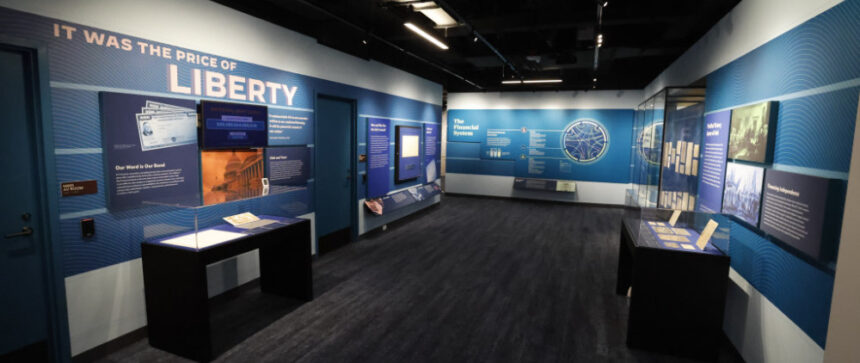
Thus, the MoAF (short for Museum of American Finance) is aimed not so much at tourists—who are, of course, also welcome to visit this free institution—but rather at schoolchildren and local residents, who can learn not only general facts about finance but also about the central role their home state of Massachusetts played in the development of the American financial system.
Financial Education in Seven Stations
That’s why this museum is divided into seven stations, in which local themes play a key role.
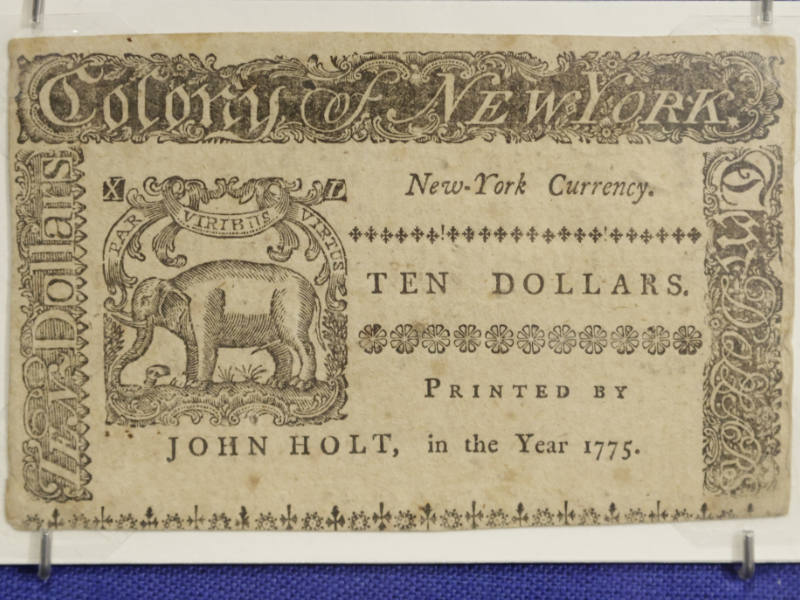
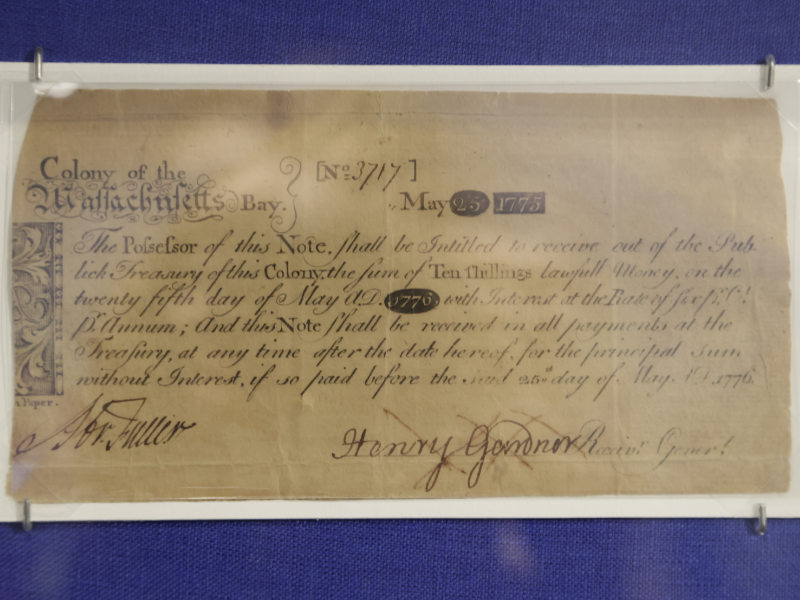
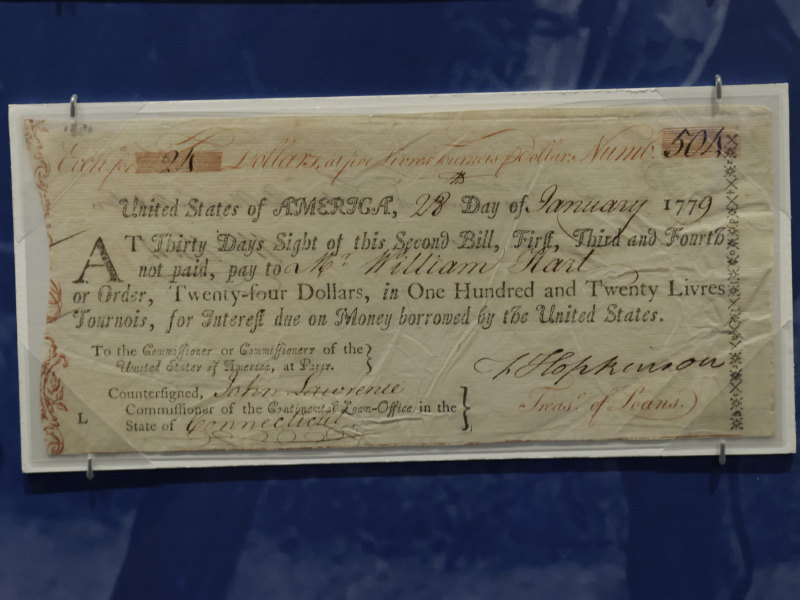
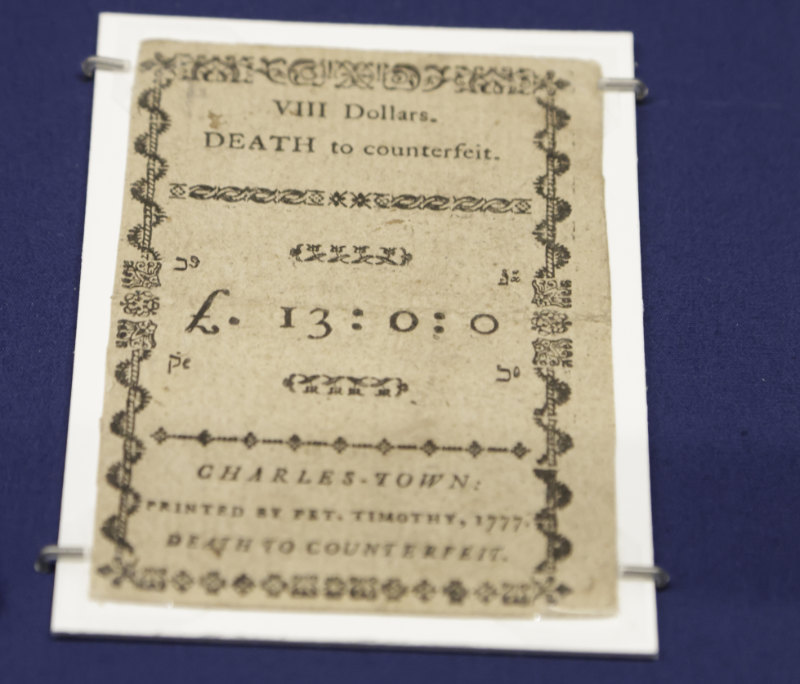
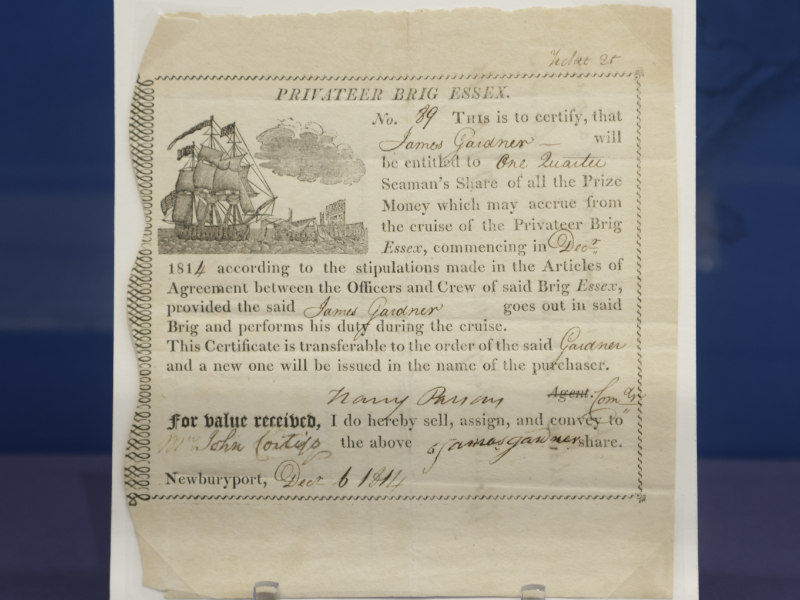
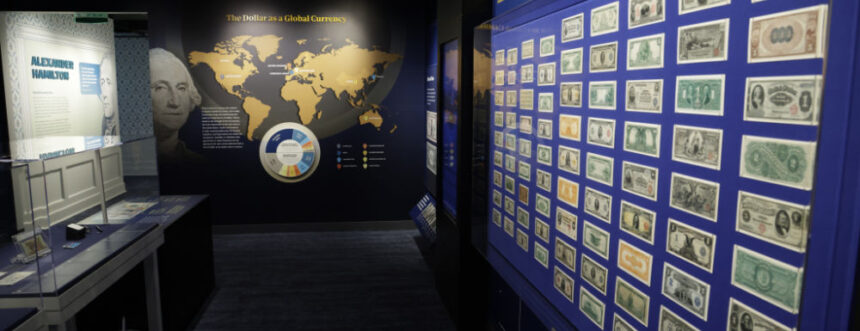
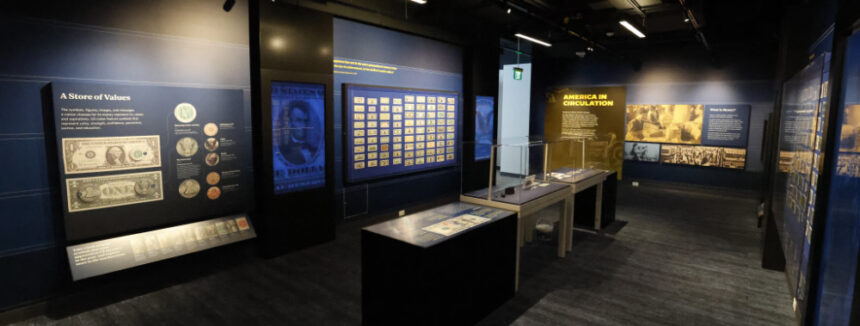
America in Circulation: The first stop is called “America in Circulation” and is likely to be the most exciting one for traveling numismatists and those interested in the history of money—even though it features American banknotes rather than coins. It is an interactive exhibition with truly fascinating and high-quality exhibits.

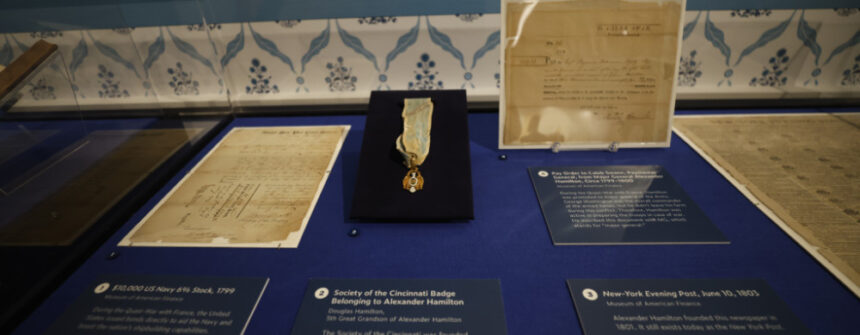
Alexander Hamilton Experience: The exhibition then focuses on Alexander Hamilton, who still appears on the $10 bill today. This American politician, who is relatively unknown in this country, was one of the Founding Fathers and the nation’s first Secretary of the Treasury; as a theorist of economics and money, he had a lasting impact on the American monetary system.
Even though Hamilton didn’t live in Boston for very long, this is where he first set foot on American soil after traveling from his Caribbean homeland to New York to attend college. Furthermore, his written defense of the Boston Tea Party has gone down in history.
A Financial Revolution: Our next stop takes us right into the heart of American history, when—250 years ago—not only a new nation was born, but also a new, democratic monetary system based on the decimal system, which was not yet very widespread at the time. As a result, people who earned only small change no longer had to pay a premium to receive stable-value coins made of precious metals. So the title “A Financial Revolution” is by no means an exaggeration!

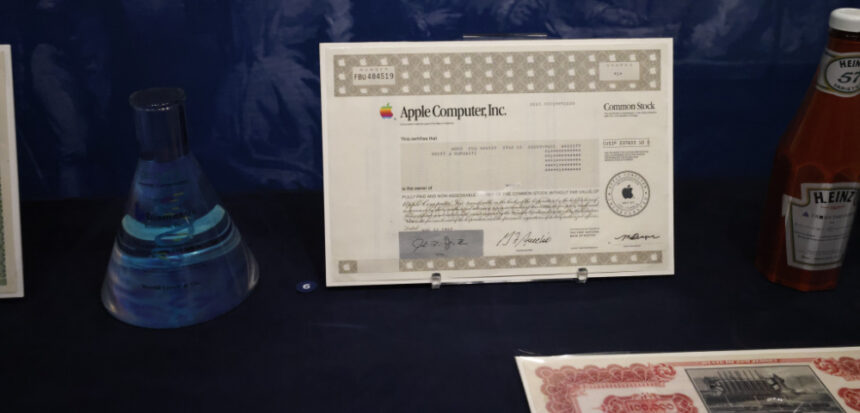
Investing in U.S. Financial History: Now we’ll be looking at booms and busts, good years on the stock market and devastating market crashes, and a sensible strategy for navigating between the two.
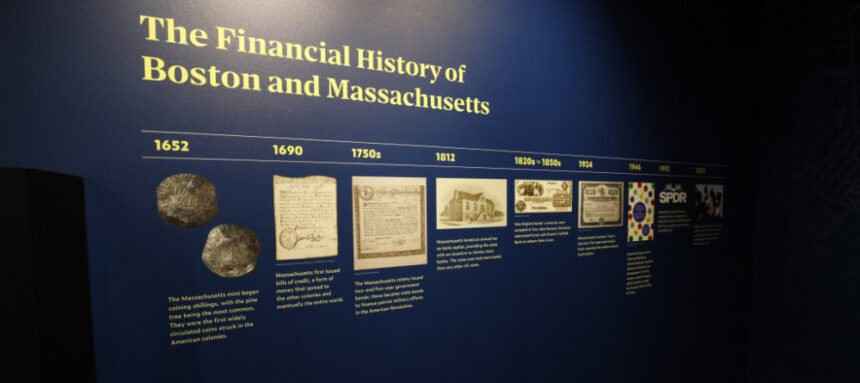
Hub of Innovation: Boston was a center of innovation that, as a major port and trading hub, depended on a well-functioning financial system. A mint had been located here since 1652, and government-issued paper money and public bonds existed here from an early stage. Major banks were founded here, and the financing of massive infrastructure projects was organized here. It was not until the 19th century that Boston lost its dominance in finance to New York. This section of the exhibition is sponsored by MassMutual, an insurance company headquartered in Massachusetts with a nationwide presence in the United States.
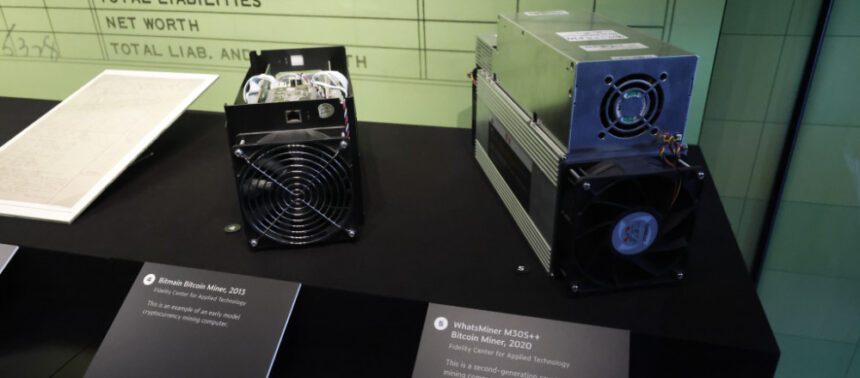
The Future of Finance: No exhibition today can avoid the all-important question of what our financial system will look like in the future. The sponsor, Bitwise—whose business model is based on offering investments in state-of-the-art cryptocurrency systems—ensures that this future is not portrayed in a gloomy light.
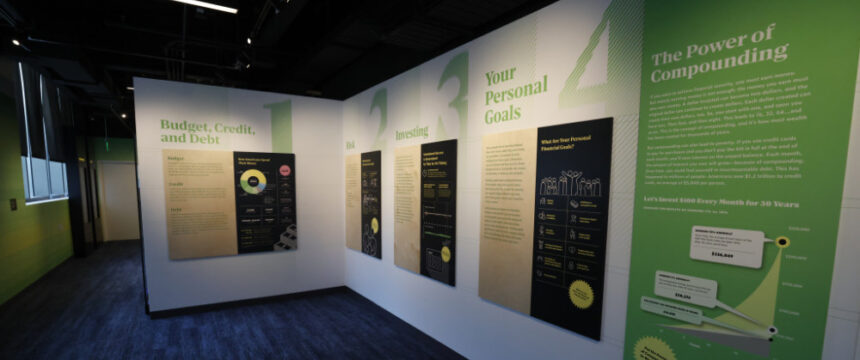
Personal Finance: The experts at the Personal Finance Institute—an NGO founded in 2025 to provide consumers with free financial education—explain what all of this means for each individual.
A Fresh Start in Boston
With its exhibition in Boston, the MoAF finally has a physical presence again after having to close its permanent exhibition on Wall Street in New York in 2018—presumably for financial reasons. It has incorporated the latest technology into its new museum, so kids will find plenty of fun computer games designed to help them learn interactively. For us older folks, however, there still seem to be enough real objects on display to make a visit to this museum worthwhile for us as well.
Text & Images: Ursula Kampmann