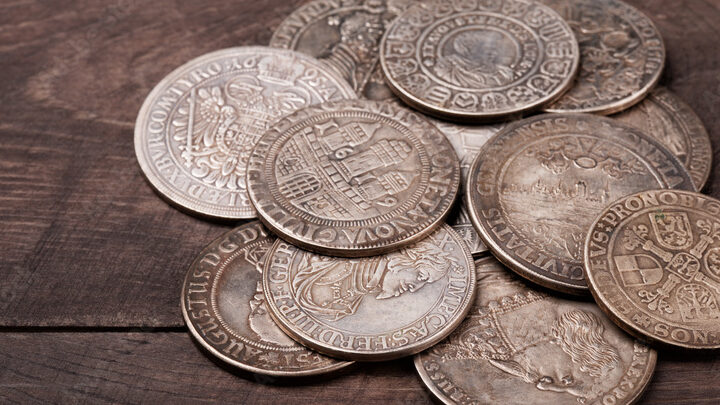
From Middle Ages to founding of the Reich in 1871
Old german coins
Old German coins are a fascinating reflection of German history before the foundation of the German Empire in 1871. Minted by countless principalities, duchies, bishoprics and free imperial cities, they ...
A numismatic insight (ca. 500 - 1453 AD)
Byzantine coins
Byzantine coins are an important testimony to the monetary history of late antiquity and the Middle Ages. They were minted in the Eastern Roman Empire for over a millennium and reflect the changes in ...
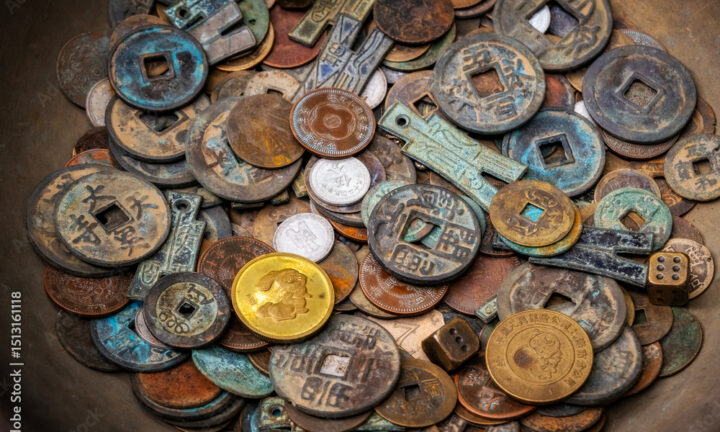
The oldest continuous coinage in the world
Chinese coins
Chinese coins look back on over two thousand years of history and are characterised by unique shapes, materials and inscriptions. Particularly characteristic are the perforated coins with a square perforation ...
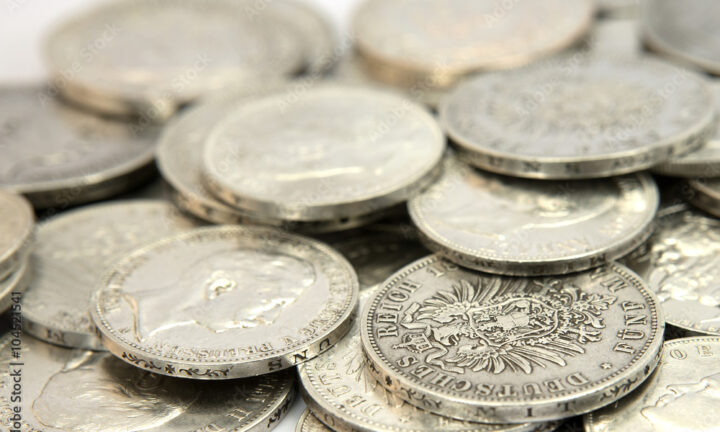
From the Reichsmünze to the Euro (1871 - 2002)
German coins
German coins from 1871 onwards mark the beginning of a standardised currency after the foundation of the Reich. From the Reichsmark to the Deutschmark to the euro, they reflect political upheavals, economic developments …
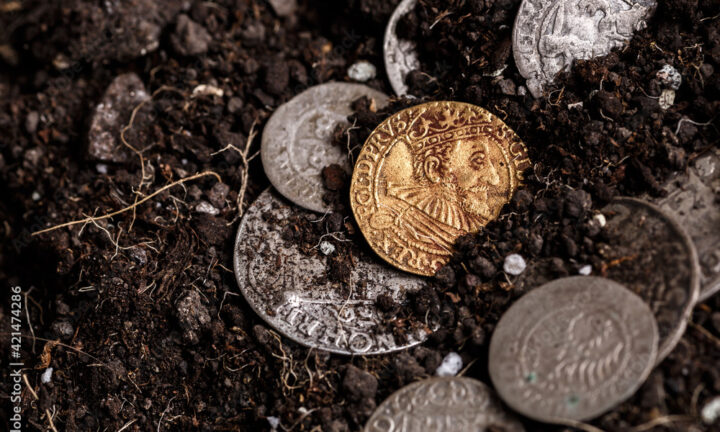
A numismatic tour through four centuries
European coins
Modern European coins, minted from the late 15th century onwards, mark the transition from the Middle Ages to the Modern Age. They reflect political upheavals, economic developments and technological …
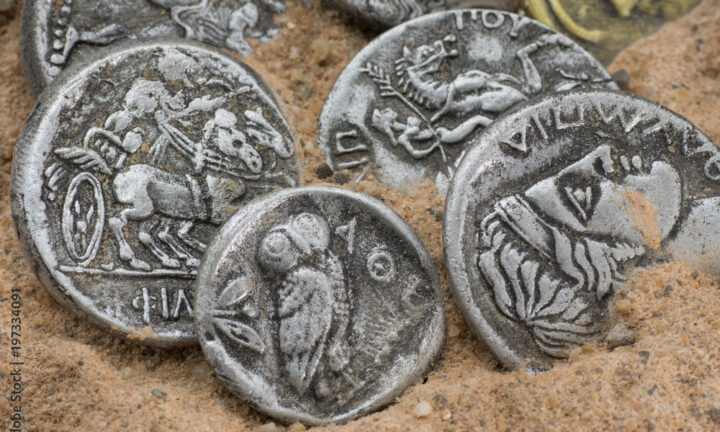
The significance of Greek coins in numismatics (7th - 2nd century BC)
Greek coins
Greek coins are among the earliest and most artistic coins in human history. Since the 6th century BC, they were minted in countless city-states and kingdoms, combining the highest craftsmanship with …
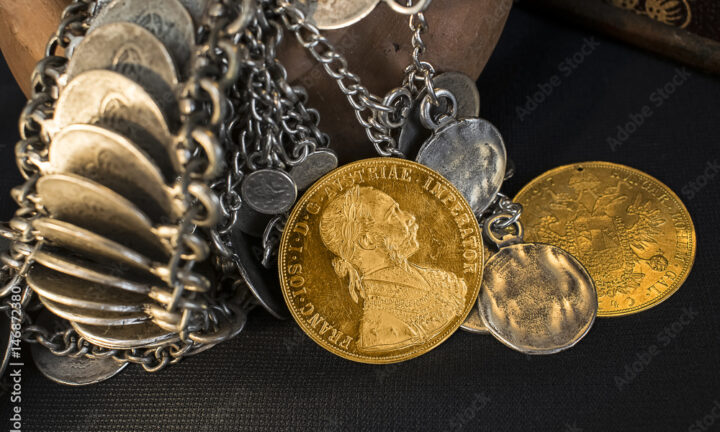
A numismatic search through the history of Europe
Habsburg coins
Habsburg coins reflect the power and influence of one of Europe’s most significant royal houses. From the late Middle Ages to the end of the monarchy in 1918, they shaped the Central European coinage area. The …
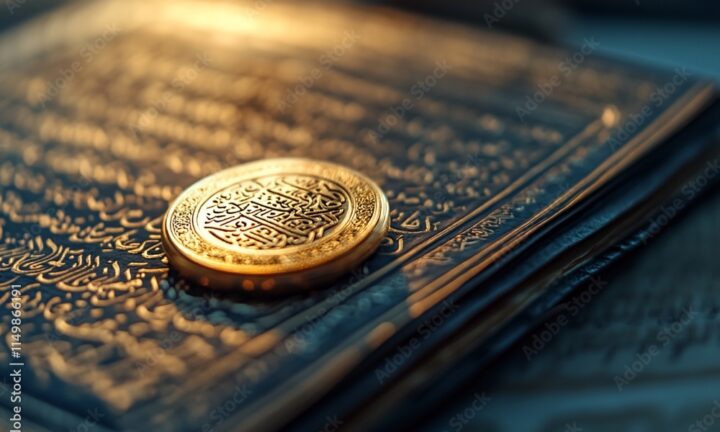
Images of a changing world power
Islamic and oriental coins
Islamic and Oriental coins provide a unique window into the history and culture of the Middle East, North Africa, and Asia. Minted since the 7th century, they are characterised by calligraphic inscriptions …
Mystical imprints of a forgotten culture (3rd - 1st century BC)
Celtic coins
Celtic coins are among the most expressive and mysterious coins of the ancient world. Produced from the 3rd century BC by various Celtic tribes in Europe, they combine Greek and Roman influences with their …
Witnesses to global history and cultural diversity
Coins and medals from overseas
Coins and medals from overseas offer a fascinating insight into colonial expansion, global trade and cultural diversity beyond Europe. Minted in America, Africa, Asia and Oceania, they reflect political upheavals, national identities and colonial influences. For numismatists, they represent an exciting collecting area, rich in exotic motifs, rare issues and historical connections. Each coin and medal tells a story of encounters, conflicts and global interconnection.
Mirror of a fragmented and mobile epoch (around 500 - 1,500 AD)
Medieval coins
Coins of the Crusaders are impressive testimonies to a unique fusion of Western and Eastern cultures in the Middle Ages. Minted in the Crusader states of the Near East, they combine Christian symbolism with Byzantine and Islamic influences. For numismatists, they offer an exciting field of research that reflects politics, religion, and trade in a turbulent era. Each coin tells a story of power, cultural exchange, and the desire to establish a presence in the Holy Land.
Numismatic witnesses of a medieval cultural exchange
Crusaders coins
Coins of the Crusaders are impressive testimonies to a unique fusion of Western and Eastern cultures in the Middle Ages. Minted in the Crusader states of the Near East, they combine Christian symbolism with Byzantine and Islamic influences. For numismatists, they offer an exciting field of research that reflects politics, religion, and trade in a turbulent era. Each coin tells a story of power, cultural exchange, and the desire to establish a presence in the Holy Land.
The printed evolution of money from the numismatic perspective (8th - 20th century)
Paper money
Paper money is a fascinating testament to economic, political, and technological developments since the late Middle Ages. As a complement or replacement for coinage, it reflects inflation, reforms, wars, and state stability. For numismatists – and especially for notaphilists – paper money offers a rich and varied field of collecting, marked by artistic design, security features, and historical contexts. Each banknote tells a story of trust, power, and change in the world of money.
A numismatic bridge between history, power and symbolism
Orders and decorations
Orders and decorations are more than just honours – they are historical records of bravery, loyalty, service and rule. From the Middle Ages to the modern era, they reflect societal values, political systems and military traditions. For numismatists and phalerists, they represent a fascinating area of collecting, rich in symbolism, artistic design and individual history. Each honour tells a story of personal achievement and the spirit of its time.
Control instruments of numismatics from past centuries
Coin scales and weights
Scales and weights are indispensable companions to the history of money and provide fascinating insights into historical payment systems. They were used to check the authenticity and value of coins, especially in trade and at exchange offices. For numismatists, they are valuable objects that are not only functional but often also artistically designed. They document technical precision, economic practices, and trust in metallic currencies over centuries.
A numismatic look at a turbulent epoch (4th - 6th century AD)
Coins from the Migration Period
Coins from the Migration Period are rare and fascinating testimonies of a transitional period between the Antique and the Middle Ages. Shaped by Germanic, Hunnic or early Slavic tribes, they reflect the decline of the Roman Empire and the emergence of new power centres. For numismatists, they are of particular interest, as they combine Roman influences with independent styles and symbols. Each coin tells a story of cultural change, political reorganisation and the search for identity in a turbulent era.
A young numismatics with imperial radiance
Russian coins
Russian coins reflect the turbulent history of a vast empire – from the Tsarist era through the Soviet Union to the present-day federation. Shaped by reforms, changes in power and economic upheavals, they combine artistic expression with political symbolism. For numismatists, they are a fascinating area of collection, rich in rare issues, historical references and cultural peculiarities. Each coin tells the story of a nation’s self-image as it changes over time.
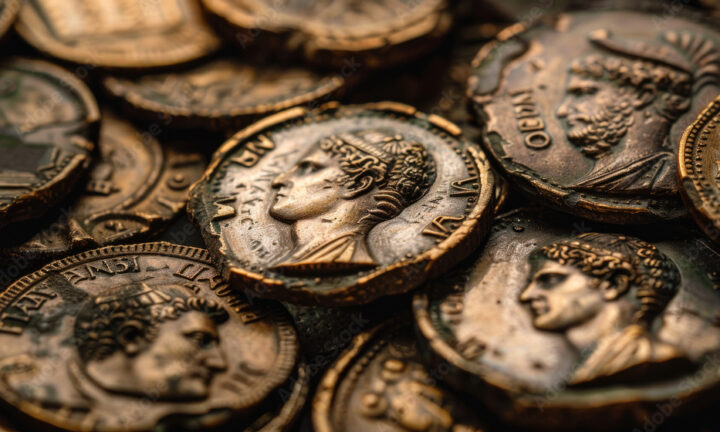
Power, myth and history in metal. (3rd - 5th centuries AD)
Roman coins
Roman coins are a central pillar of ancient numismatics and provide a unique insight into the history of the Roman Empire. From the Republic to the Late Antique period, they reflect political propaganda, economic developments and artistic trends. For numismatists, they are not just collectibles, but historical documents with high significance. Each coin tells the story of emperors, victories, gods and the expansion of an empire that left a lasting mark on the world.