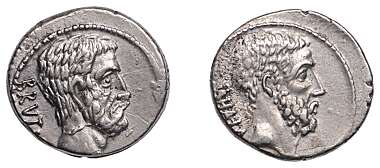
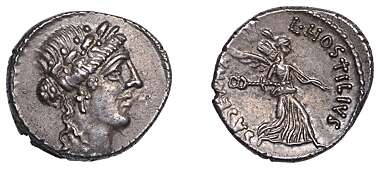
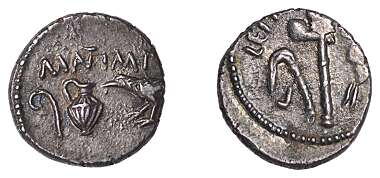
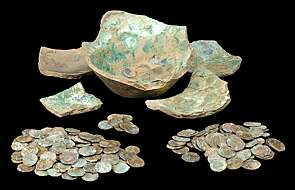
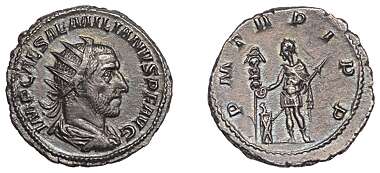
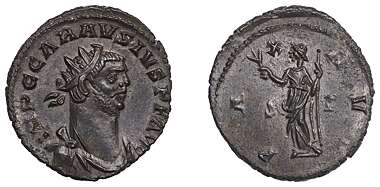
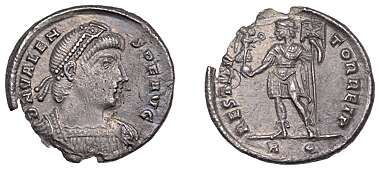
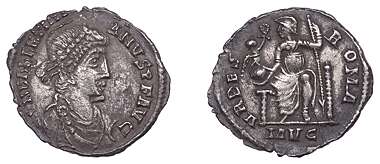
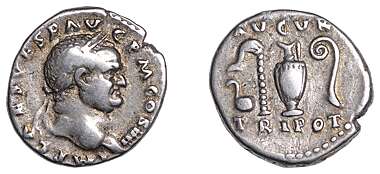
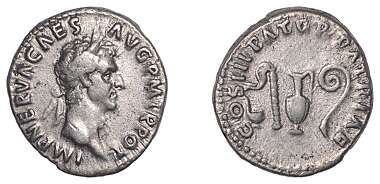
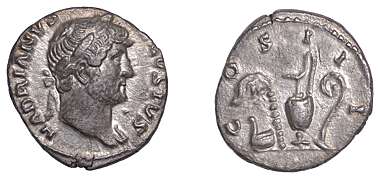
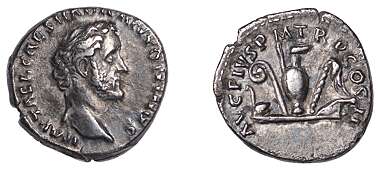
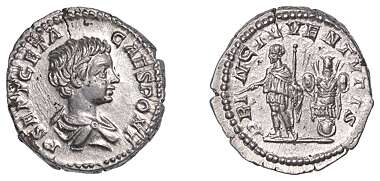
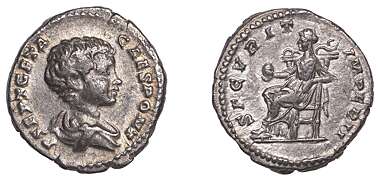
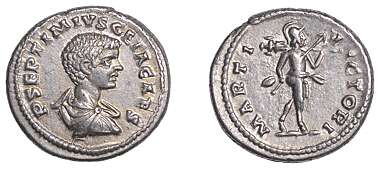
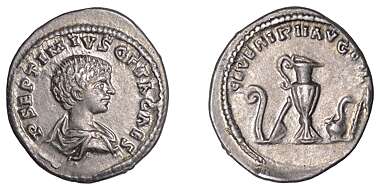
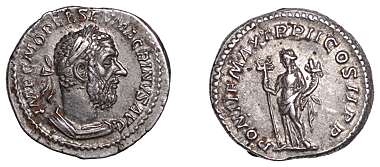
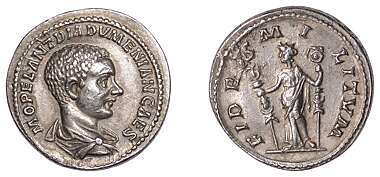
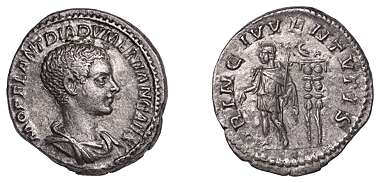
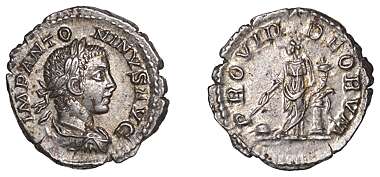
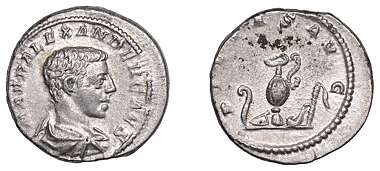
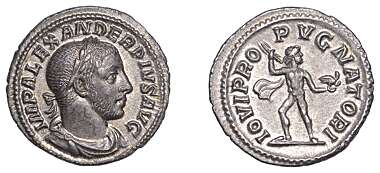
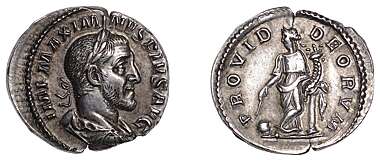
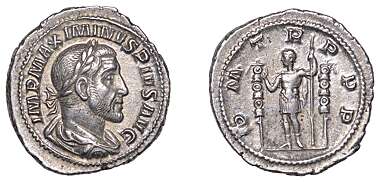
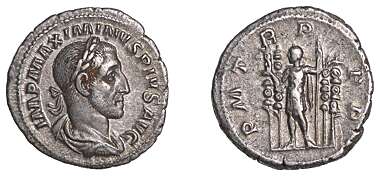
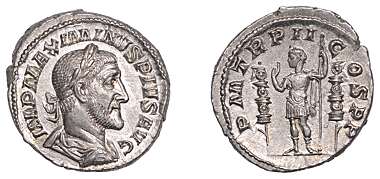
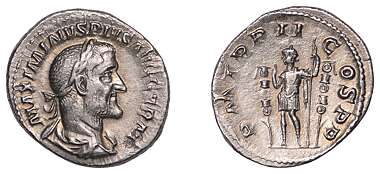
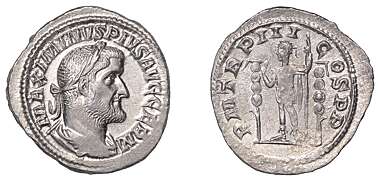
Lote 361. Roman Coins from Various Properties The Yarlington Hoard, The Yarlington Hoard comprises approximately 1951 radiates dating from AD 253-274. Highlights within the hoard include: 1. Laelianus, Antoninianus, Cologne, January-February/March 269, radiate, draped and cuirassed bust right, seen from front, drapery on far shoulder, imp c laelianvs p f avg around, rev. Victory hastening right, holding wreath in right hand and palm against left shoulder in left hand, victoria avg around, 3.35g/1h (BM 295.1; RIC 9; RIC V.4 472; Normanby 1387; Cunetio 2501; Elmer 625). Light silvering remaining, good very fine for this rare issue 2. Laelianus, Antoninianus, Cologne, January-February/March 269, radiate, draped and cuirassed bust right, seen from front, drapery on far shoulder, imp c laelianvs p f avg around, rev. Victory hastening right, holding wreath in right hand and palm against left shoulder in left hand, victoria avg around, 2.92g/1h (BM 295.2; RIC 9; RIC V.4 472; Normanby 1387; Cunetio 2501; Elmer 625). Light silvering remaining, reverse struck from a slightly worn die, otherwise better than very fine 3. Marius, Antoninianus, Trier, spring 269, radiate, draped and cuirassed bust right, seen from front, imp c marivs p f avg around, rev. clasped hands, concord milit around, 2.81g/12h (BM 296.1; RIC 6; RIC V.4 483; Normanby 1388; Cunetio 2503; Elmer 633). Better than very fine with a strong portrait 4. Marius, Antoninianus, Trier, spring 269, radiate, draped and cuirassed bust right, seen from front, imp c marivs p f avg around, rev. clasped hands, [concord] milit around, 2.44g/5h (BM 296.2; RIC 6; RIC V.4 483; Normanby 1388; Cunetio 2503; Elmer 633). Encrustation on reverse, otherwise about very fine for issue with a good portrait 5. Marius, Antoninianus, Trier, spring 269, radiate, draped and cuirassed bust right, seen from front, imp c marivs p f avg around, rev. clasped hands, concordia militvm around, 2.69g/11h (BM 297; RIC 7; RIC V.4 482; Normanby 1389; Cunetio 2504; Elmer 632). A little short of flan, otherwise sharply struck and better than very fine 6. Marius, Antoninianus, Cologne, spring 269, radiate and cuirassed bust right, seen from front, drapery on far shoulder, imp c m avr marivs avg around, rev. Victory advancing left, holding wreath in right hand and palm in left hand, victoria avg around, 3.32g/1h (BM 298.1; RIC 17; RIC V.4 487; Normanby 1394; Cunetio 2509; Elmer 638). Heavy surface deposits thus fine 7. Marius, Antoninianus, Cologne, spring 269, radiate, draped and cuirassed bust right, seen from front, imp c m avr marivs avg around, rev. Victory advancing left, holding wreath in right hand and palm in left hand, victoria avg around, 3.02g/1h (BM 298.2; RIC 17; RIC V.4 488; Normanby 1392; Cunetio 2508; Elmer 637). Surface deposits above portrait, otherwise better than very fine with a very strong portrait The coins that make up the entire hoard are attributed to the following: Central Empire: Valerian and Gallienus, AD 253-60 (joint reign): - Valerian (6) - Salonina (5) - Divo Valerian (1) - Saloninus (1) Gallienus, AD 260-8 (sole reign): - Gallienus (223) - Salonina (19) Claudius II, AD 268-70 (170) Divo Claudio II, AD 270 (17) Quintillus, AD 270 (22) Aurelian, AD 270-4 (pre-reform) Gallic Empire: Postumus, AD 260-9 (29) Laelianus, AD 269 (2) Marius, AD 269 (5) Victorinus, AD 269-71 (451) Divus Victorinus, AD 271 (1) Tetricus I, AD 271-4 (640) Tetricus II, AD 272-4 (268) Uncertain Gallic Emperor/s (47) Illegible (7 + 16 fragments) £6,000-£8,000 --- Throughout the hoard, there are coins from various mints such as Rome, Mediolanum, Siscia, Cologne and Trier. There is a vast variety of types and reverses including, but not limited to, animals such as lions, stags, and eagles; mythical creatures such as Centaurs, Hippocamps, and Capricorns; iconic imagery such as priestly implements, altars and clasped hands; and finally the gods and goddesses we often see on Roman coins. The sherds of grey-ware pottery are especially impressive, particularly the base. Over the past 1700 years in the ground, the copper in the coins reacted with oxygen, moisture and acid in the soil to create copper acetate and copper chloride, better known as verdigris. The bright blueish green colour on the pottery gives it an outstanding appearance, and some coins are still stuck to the base. The condition of the coins vastly varies, from good very fine to very poor. Viewing in person is highly recommended and further pictures are available upon request. The hoard comes with a listing from the British Museum, within which each type of coin has been allocated a number that has thus has been included in the cataloguing references as ‘BM’.
 consentmanager.net