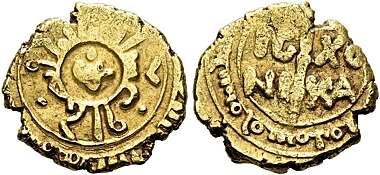
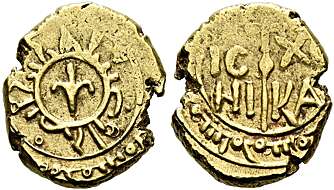
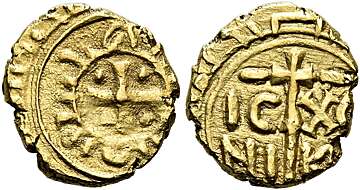
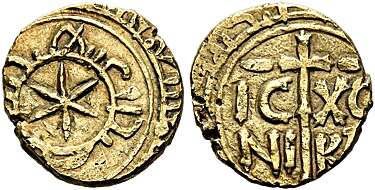
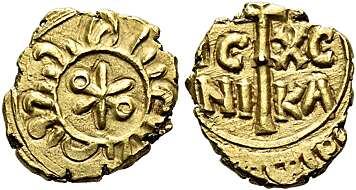
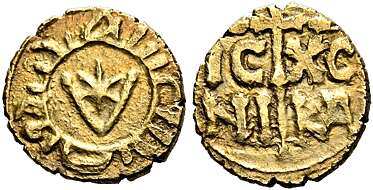
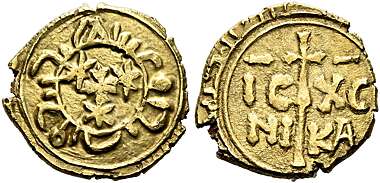
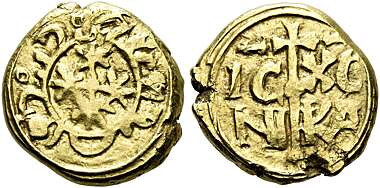
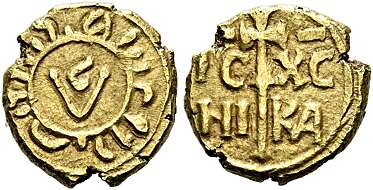
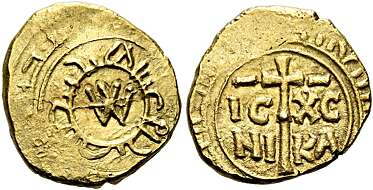
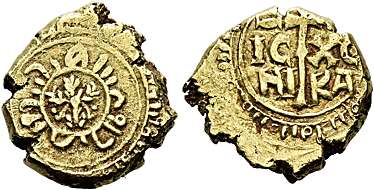
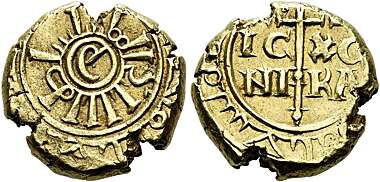
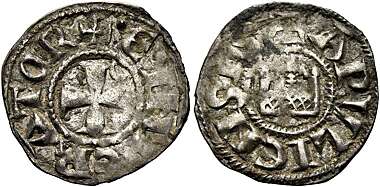
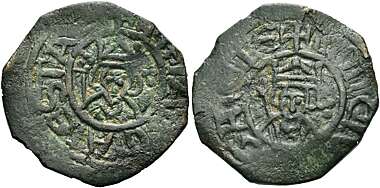
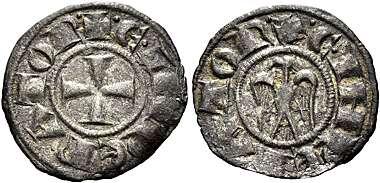
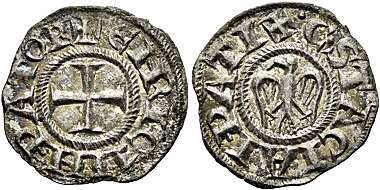
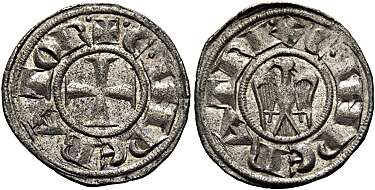
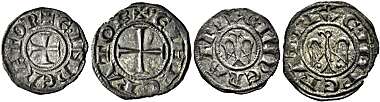
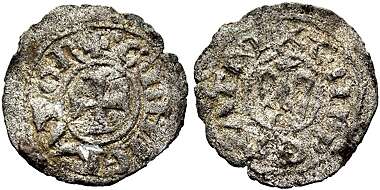
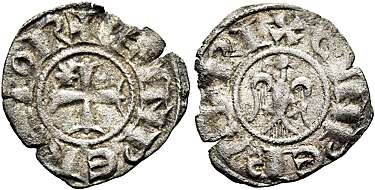
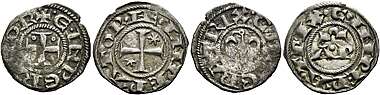
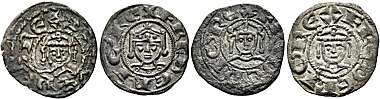
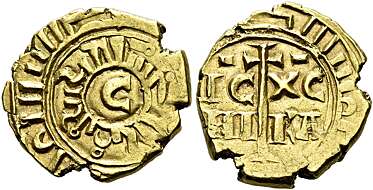
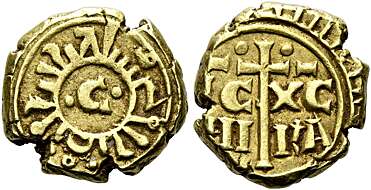
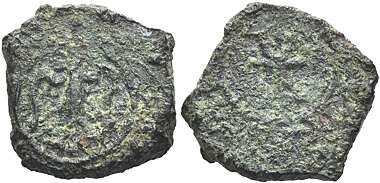
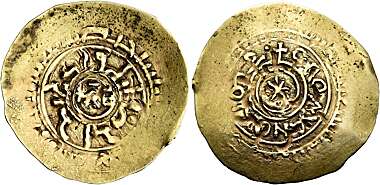
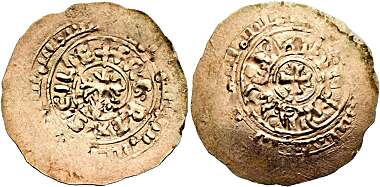
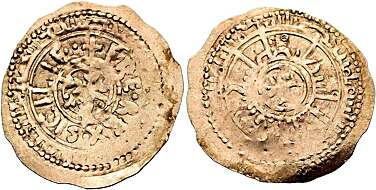
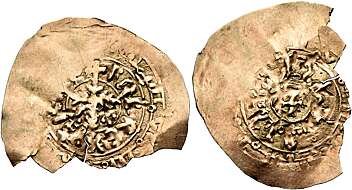
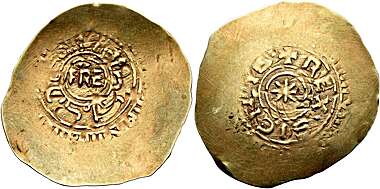
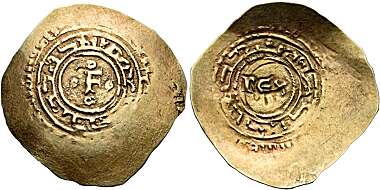
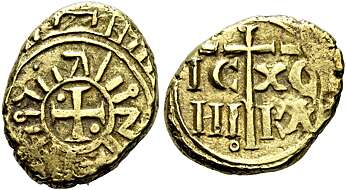
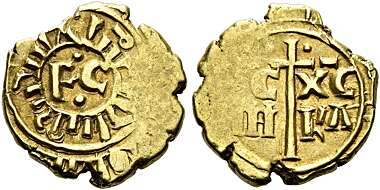
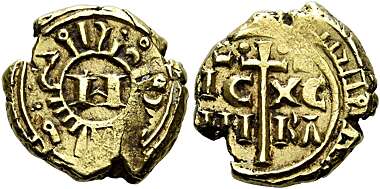
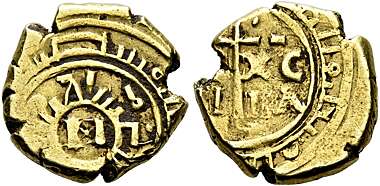
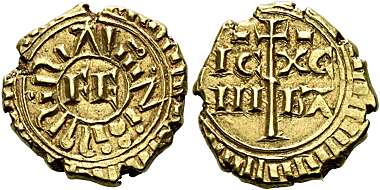
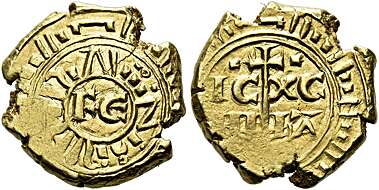
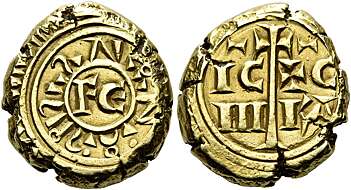
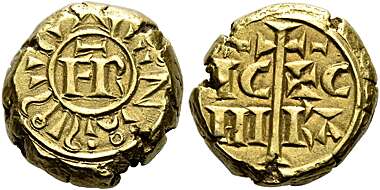
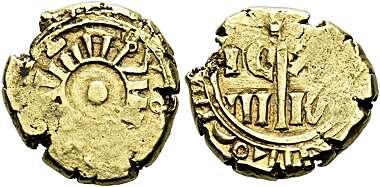
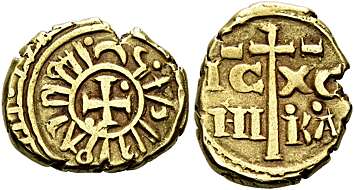
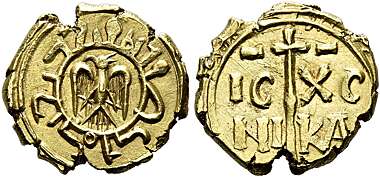
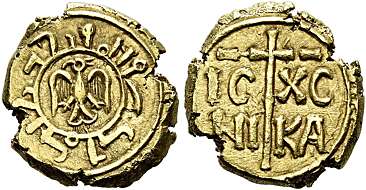
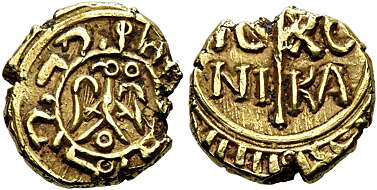
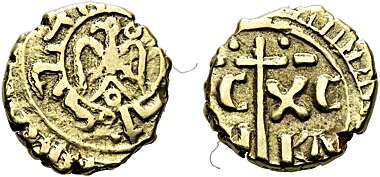
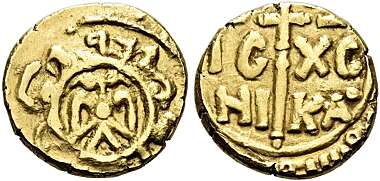
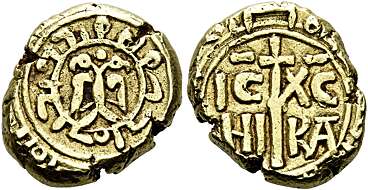
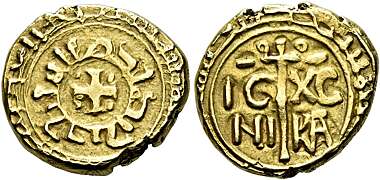
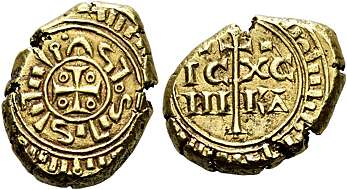
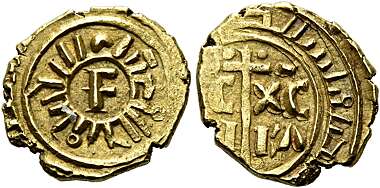
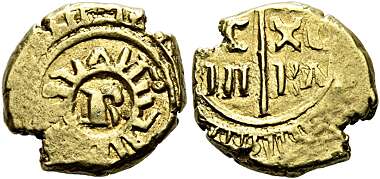
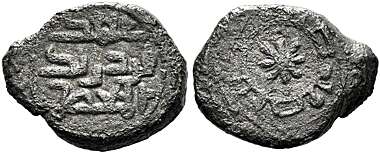
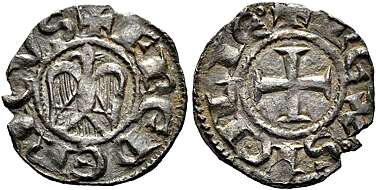
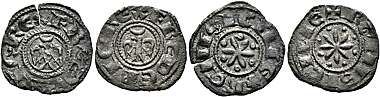
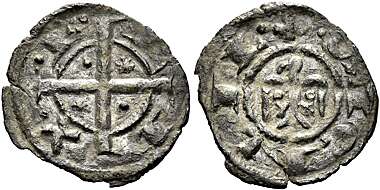
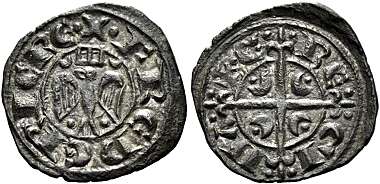
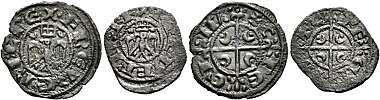
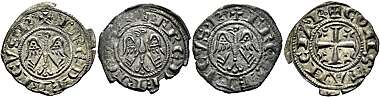
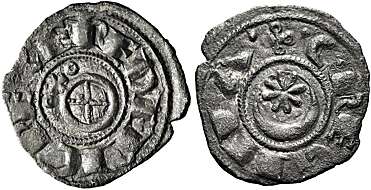
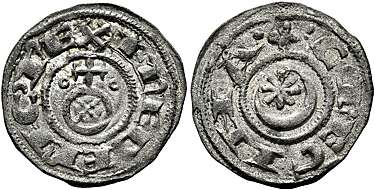
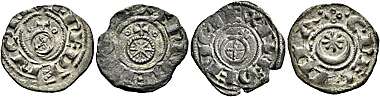
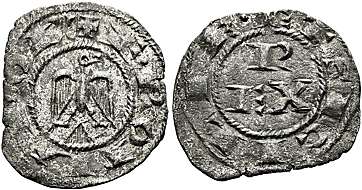
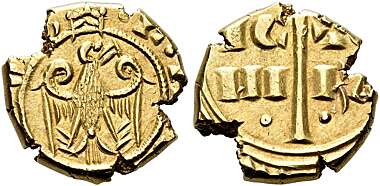
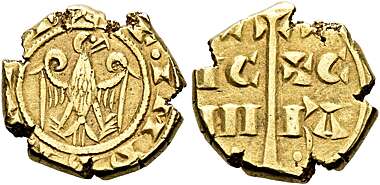
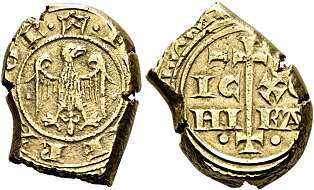
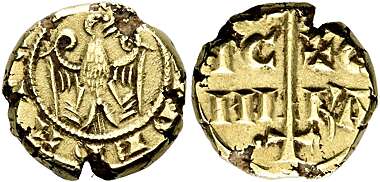
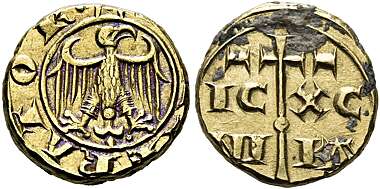
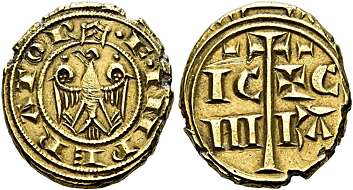
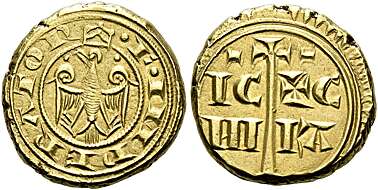
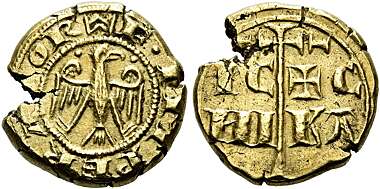
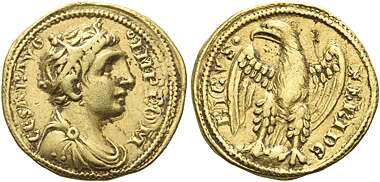
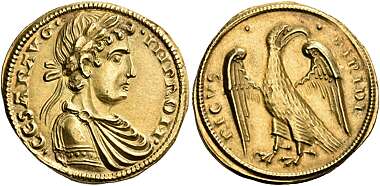
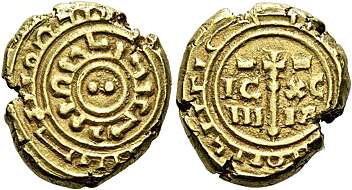
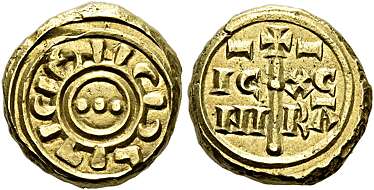
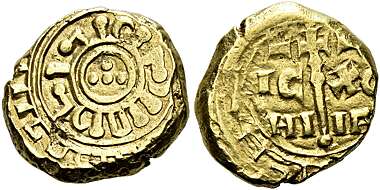
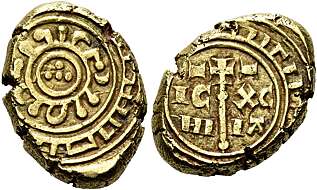
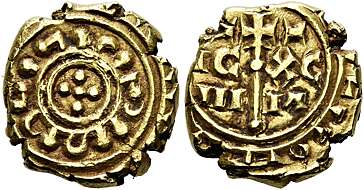
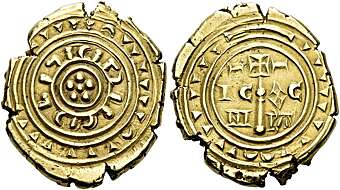
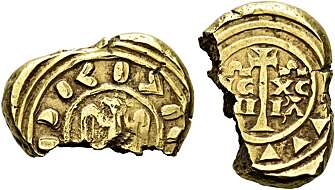
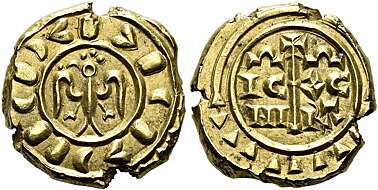
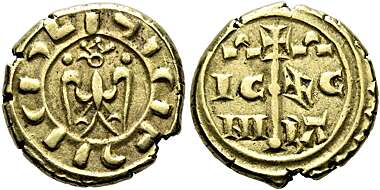
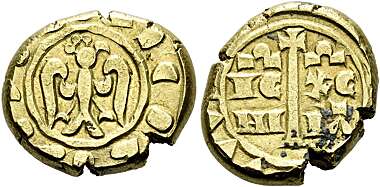
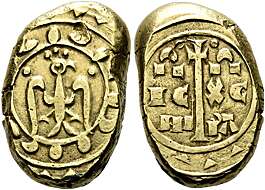
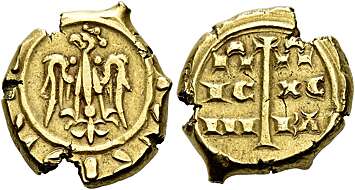
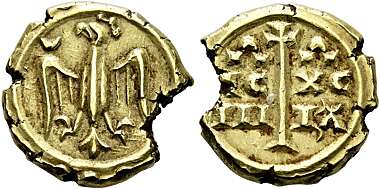
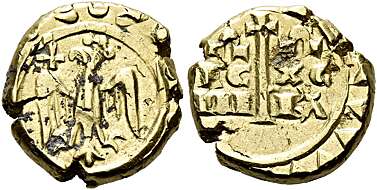
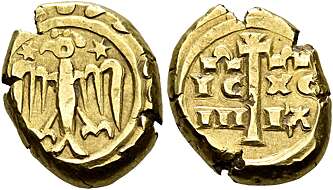
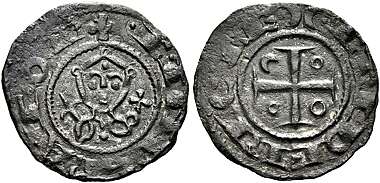
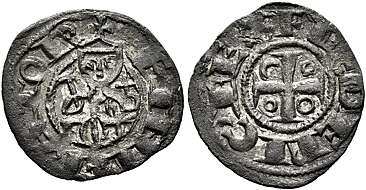
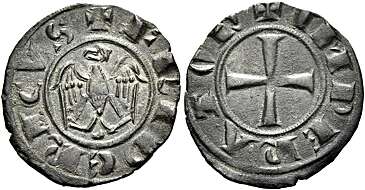
ロット 2511. TARI of HENRY VI with fluent Arabic legends of MEC XIV Class A Tarì, Sicily, AV 2.23 g. Arabic legend: "Harir qaysar awghust" around central large “W” (referring to William III). Rev. Long cross between IC – XC (both under horizontal suspension marks) / NI – KA. MEC XIV unlisted. Spahr unlisted. Of the highest rarity, apparently only three specimens known. An issue of tremendous historical importance. An insignificant die break on the obverse and areas of weakness, otherwise extremely fine WJC: A spectacular coin. The finest of three known specimens, including one in the Naples museum. Following the defeat of King Tancred of Lecce in December 1194, Henry entered Palermo and was recognized as king through his wife Constance, the sole surviving legitimate heir of the Hauteville line. In a calculated gesture of clemency, he initially extended a promise to Tancred’s widow, Queen Sibilla, and her young son William III, the last of the Norman royal house: both were to be spared and allowed to share in the kingship, with Henry exercising authority jointly in the name of the boy king. This benevolent posture, reflected in the early administrative measures and perhaps implicitly in the initial minting of Sicilian coinage under his reign, was short‑ lived. Within months, suspicions of conspiracy—or pretexts for consolidation — led Henry to revoke his assurances. Sibilla and her son were arrested and deported to Germany, where they were confined at Hohenems and later at Alt-Ems. William II, blinded and maimed, disappeared from record — an act widely seen by contemporaries as both a violation of chivalric honor and the extinguishing of the legitimate Sicilian line. These tarì, with the V and the W, are sad testimonial of the ruse. WJC: The following two coins combined, repeat the obverse and reverse types of the large bronze follaro of William II: Please find here the video of the coin
開始価格:
16'000 CHF
17'481 EUR
14'572 GBP
19'648 USD
四捨五入された近似値のみ日付:
2026/11/05
 consentmanager.net