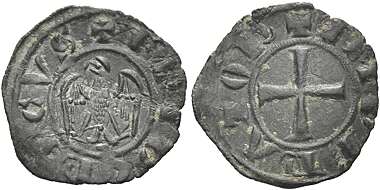
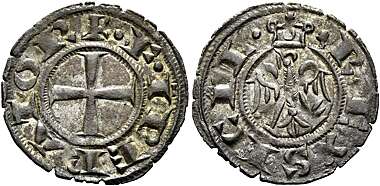
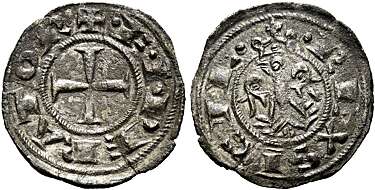
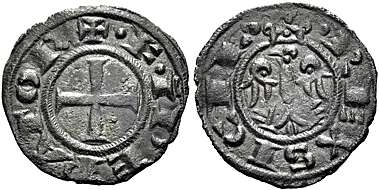
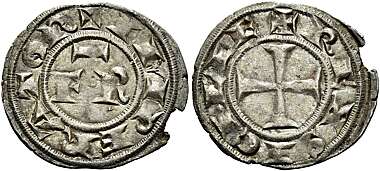
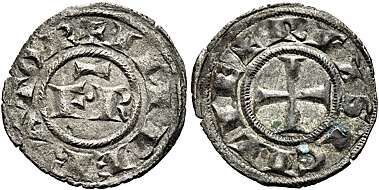
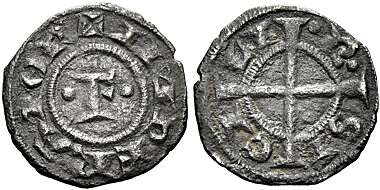
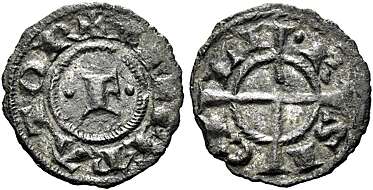
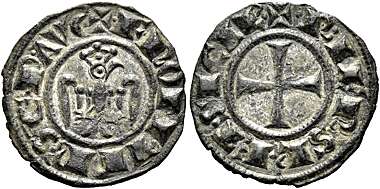
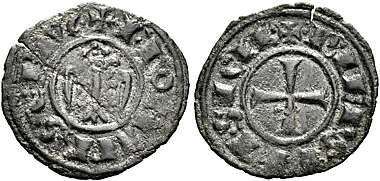
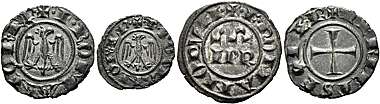
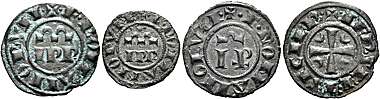
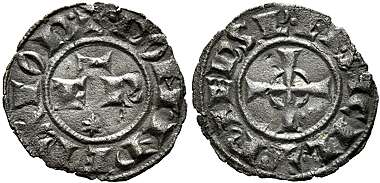
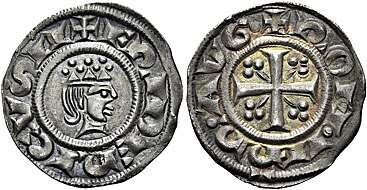
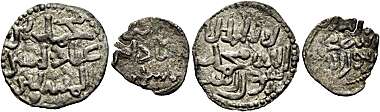
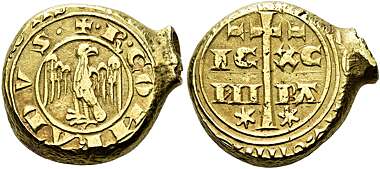
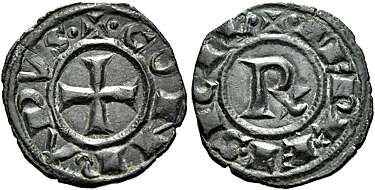
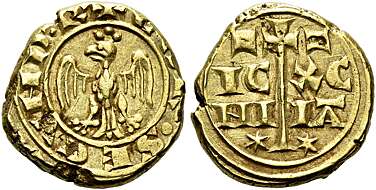
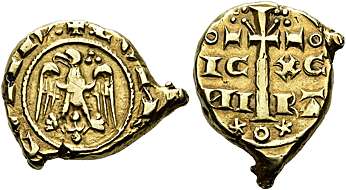
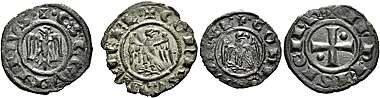
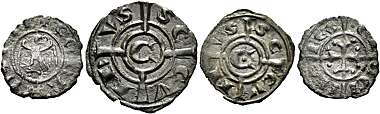
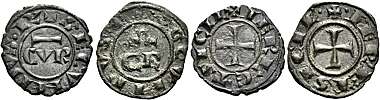
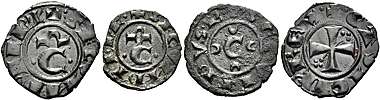
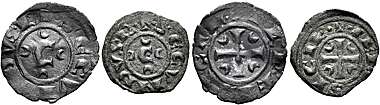
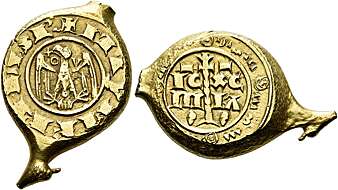
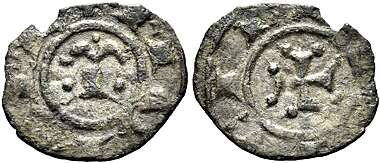
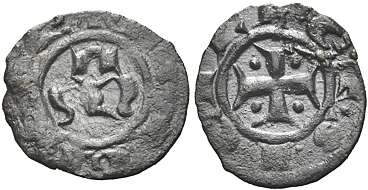
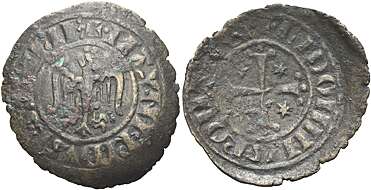
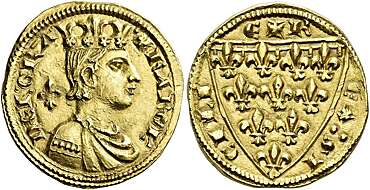
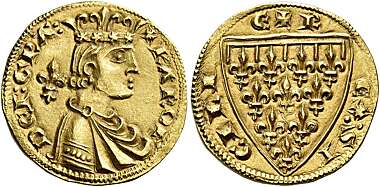
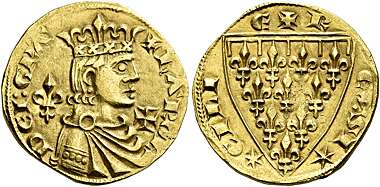
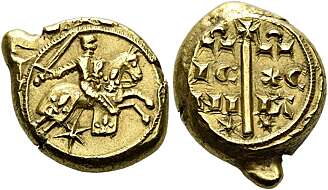
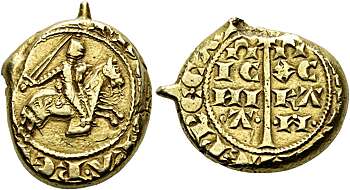
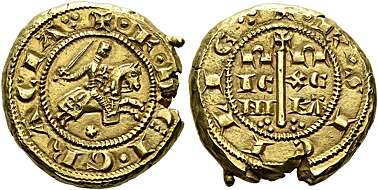
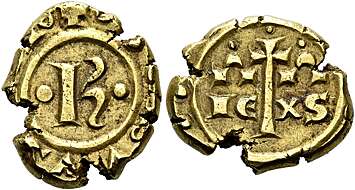
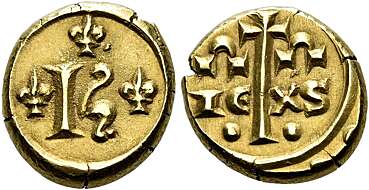
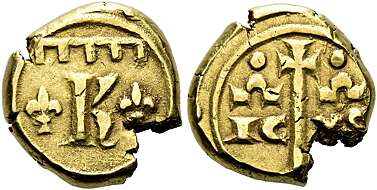
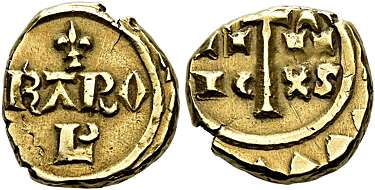
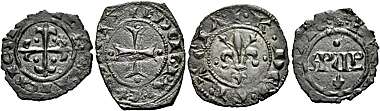
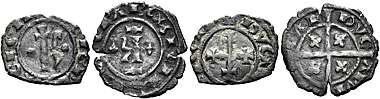
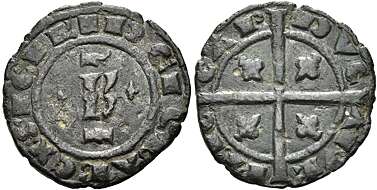
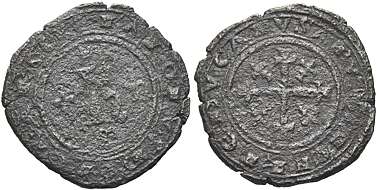
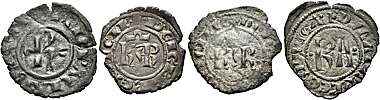
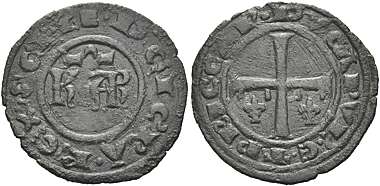
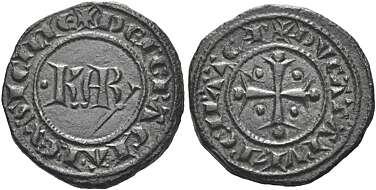
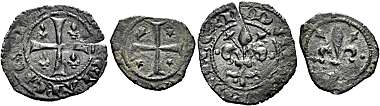
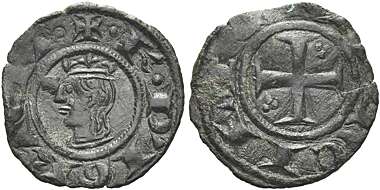
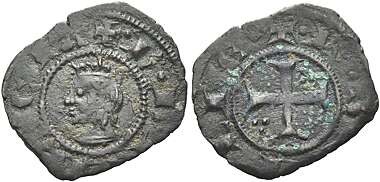
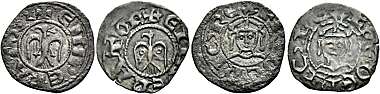
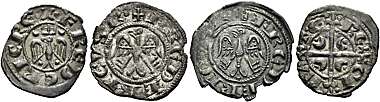
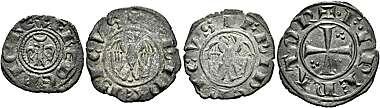
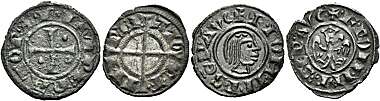
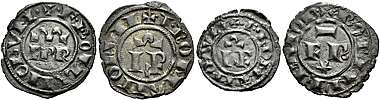
拍品 2674. COINS of CHARLES I of ANJOU before the Vespri siciliani (30th March 1282) Tarì or cavallino, Messina 1266-1278, AV 8.65 g. +•K•DEI•GRACIA°o° Mounted King riding r. holding sword; the horse’s harness decorated with lis. Rosette below. Rev. + •R•SICILIE°o° Long cross between IC – XC/NI – KΛ below omega suspension marks and three pellets below at each side of the foot of the cross. MEC XIV see page 200, A1. Spahr 15 (this coin). MIR 329 (Brindisi, R4, this coin). Friedberg 653a. Extremely rare and undoubtedly the finest specimen known. One of the finest representations of the medieval period perfectly struck and exceptionally complete. Good extremely fine Ex Bank Leu/M&M sale 11 March 1987, Spahr 206 and NAC/Spink Taisei sale 52, 1994, 1053. WJC: By far the finest specimen known and perhaps the only coin of the type with complete legends. After the victory in the Battle of Benevento, Charles I of Anjou took control of the Kingdom, keeping the mint of Messina active, a strategic center for Mediterranean trade and a key hub in commercial networks between the West and the East. The issue, attributable to the early phase of Angevin rule in Sicily (1266–1282), is traditionally known as the “cavallino” due to the distinctive depiction of the sovereign on horseback—an iconography of clear chivalric origin, intended to exalt royal power and dynastic legitimacy. This representation was introduced into European coinage by Sancho I of Portugal (c. 1185–1211), on a morabitino issued in his name. This element is accompanied, on the reverse, by Christian symbolism, forming a visual synthesis that reflects the Angevin political program. The type fits within the tradition of Sicilian coinage of Islamic-Norman derivation, preserving the reference to the tarì as a unit of account and exchange in Mediterranean trade. The denomination, which can be understood as a multiple of the tarì, stands out for a function not merely local but also oriented toward broader transactions, likely within a mercantile context. From a historical and numismatic perspective, the issue represents a significant example of continuity and adaptation: on the one hand, the preservation of pre-existing economic and weight systems; on the other, the introduction of new iconographic and symbolic models characteristic of Angevin culture. Chronologically, it is situated shortly before the events of the Sicilian Vespers, which brought an end to Angevin presence on the island and led to a subsequent reorganization of the Sicilian monetary system. Please find here the video of the coin
起拍价:
120'000 CHF
131'109 EUR
109'297 GBP
147'362 USD
仅取整数近似值日期:
2026/11/05
 consentmanager.net