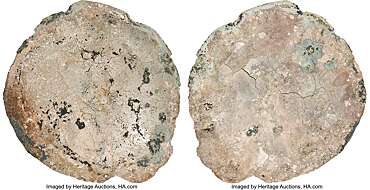
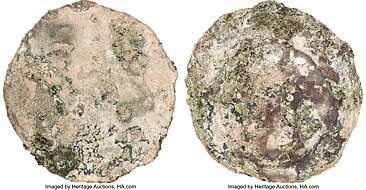
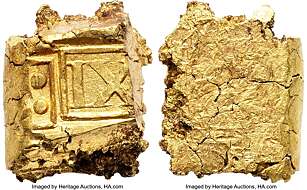
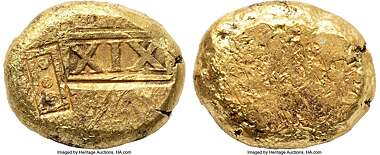
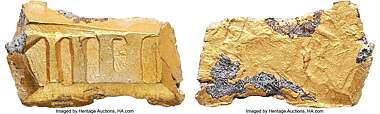
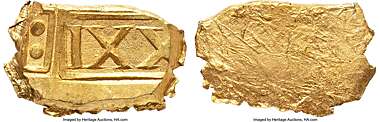
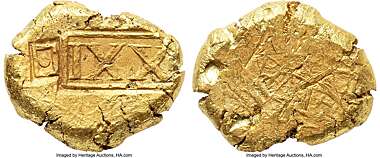
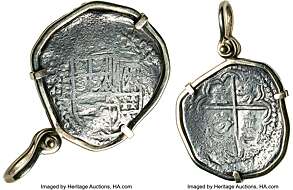
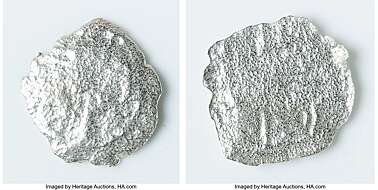
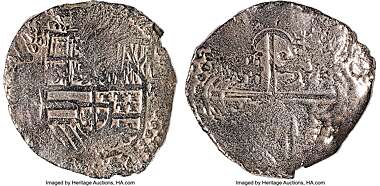
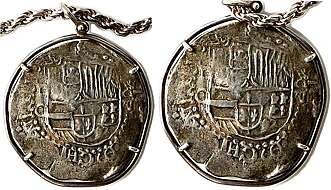
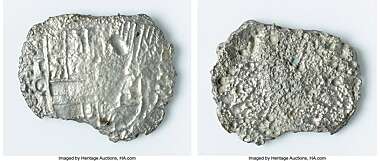
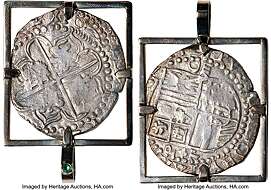
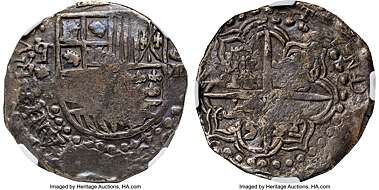
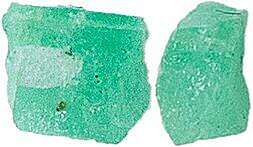
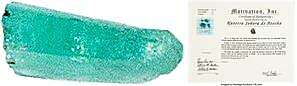
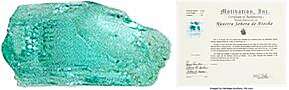
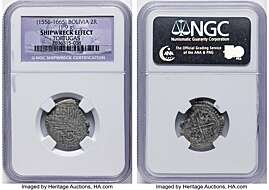
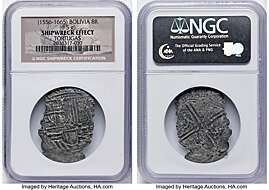
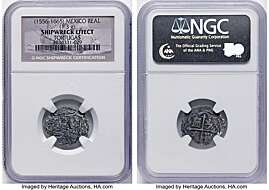
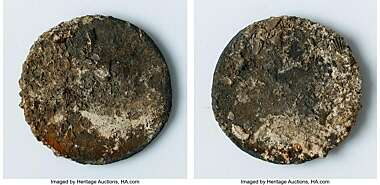
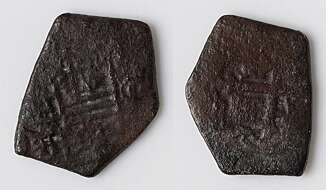
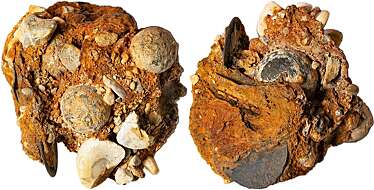
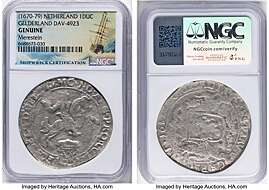
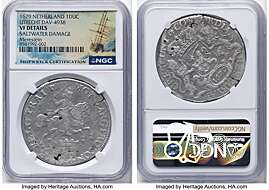
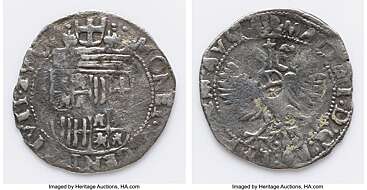
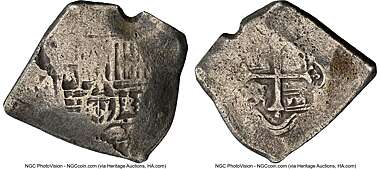
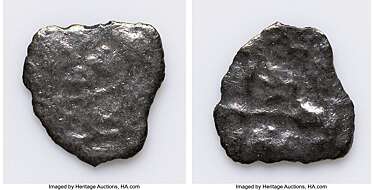
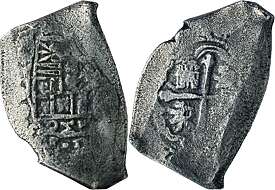
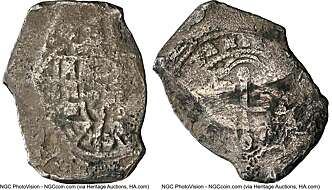
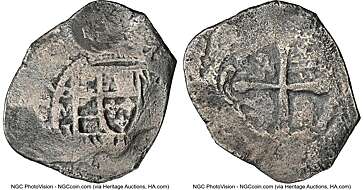
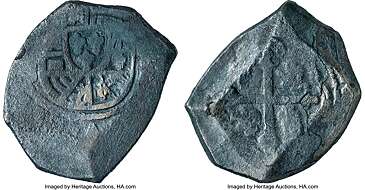
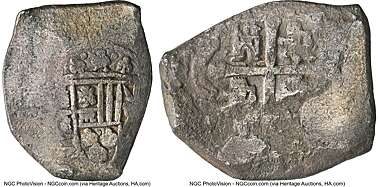
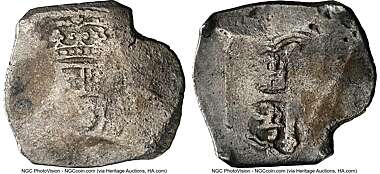
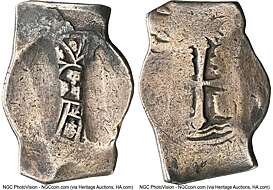
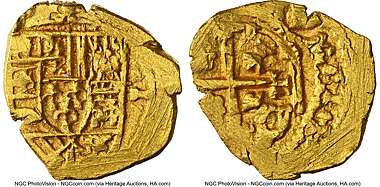
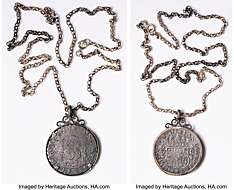
ロット 25030. World Lots temp. Philip III "Santa Margarita" gold "Money Chain" of 41.67gm ND (early 1600's), 200mm. Total weight: 41.67gm (with later added clasp). XRF Scan: 21k. Accompanied By COA and booklet. Salvaged from the Santa Margarita (sunk in 1622 off Key West, Florida). A shorter piece of a longer money chain, now turned into a historic bracelet with the added clasp. To avoid the Spanish Quinto tax-which claimed 20% of all precious metals sourced in the Americas-colonists in the often smuggled gold disguised as jewelry. One remarkable form was the "money chain", a simple-form chain, often very long, which allowed individuals to transport untaxed wealth back to Europe in plain sight. Unlike the few auction records of claimed-to-be money chains--which were intricate chains, still used as contraband--this true money chain has open links, which are easy to open and allow the owner to detach links to use as actual currency through one's voyage to Spain. A true opportunity to acquire and wear a piece of history. Sold with original Treasure Salvors photo-certificate M81 203. The Santa Margarita, part of the ill-fated Spanish treasure fleet of 1622, sailed alongside its sister ship, the famous Nuestra Señora de Atocha, carrying immense riches from the Americas back to Spain. Departing Havana on September 4, 1622, the fleet encountered a devastating hurricane in the Florida Keys. Many ships, including the Santa Margarita, succumbed to the storm, scattering their treasures across the seabed and along Florida's coast. The Santa Margarita's cargo manifest included a staggering collection of wealth: silver coins, gold ingots, and exquisite jewelry. However, as was common for the period, much of its true value went undocumented due to rampant smuggling to avoid royal taxes. Alongside these treasures, the ship carried personal belongings of its passengers, including ornate religious artifacts and luxury goods destined for European markets. Efforts by the Spanish to recover the wreck's treasure in the years following the disaster were largely unsuccessful, despite deploying indigenous and African divers to salvage what they could from the wreckage. The location of the Santa Margarita remained a mystery for centuries until modern treasure hunters, led by Mel Fisher, began a methodical search for the 1622 fleet in the 1970s. By the early 1980s, significant portions of the Santa Margarita's treasure were recovered, including gold bars, silver coins, and intricate jewelry, showcasing the ship's opulence and historical significance. The discoveries revealed stunning examples of 17th-century craftsmanship, including emerald-studded gold crosses and delicate chains. Unlike the Atocha, whose main "motherlode" was found in 1985, the Santa Margarita's treasures were more dispersed, making recovery efforts challenging and time-consuming. Today, the artifacts from the Santa Margarita provide valuable insight into Spain's colonial trade and the global movement of wealth during the 17th century. These treasures, now showcased in museums and private collections, highlight the enduring legacy of the 1622 fleet and the perilous journeys of Spain's maritime empire. The Santa Margarita, while overshadowed by the Atocha's fame, remains a vital piece of this historic maritime tragedy. HID05401242017 © 2026 Heritage Auctions | All Rights Reserved www.HA.com/TexasAuctioneerLicenseNotice
開始価格:
1 USD
0 EUR
0 GBP
0 CHF
四捨五入された近似値のみ日付:
2026/11/05
 consentmanager.net